Hawaii spans six major islands, each with distinct price points, crowd levels, and logistical trade-offs. Finding a genuinely affordable hotel here requires knowing which island fits your priorities - not just which property has the lowest nightly rate. This guide compares 9 budget hotels across Oahu, Maui, the Big Island, and Kauai to help you book smarter.
What It's Like Staying in Hawaii on a Budget
Hawaii is one of the most expensive U.S. destinations, with average hotel rates significantly above the mainland - but budget options do exist across multiple islands, particularly inland on the Big Island and in quieter sections of Maui's West Shore. Inter-island travel requires flights, so choosing the right island upfront saves more money than any hotel deal. Most budget stays sit away from the main resort corridors, which means access to beaches and attractions depends heavily on having a rental car.
Pros:
- Budget hotels in Hawaii still offer access to world-class natural attractions - national parks, beaches, and hiking trails - many of which are free to enter
- Free parking is common at budget properties across the Big Island and Maui, unlike resort hotels that charge daily fees of around $40
- Staying outside the main resort zones means avoiding the most overcrowded beaches and tourist traps while still being within driving distance of them
Cons:
- Most budget properties are not walkable to beaches - a rental car is effectively mandatory, adding to overall trip cost
- Inter-island airfare means that trying to visit multiple islands on a budget dramatically increases total spend
- Budget hotels in Hawaii rarely include resort amenities like beach equipment, concierge tours, or on-site dining - guests need to plan independently
Why Choose Budget Hotels in Hawaii
Budget hotels in Hawaii typically run under $200 per night and are concentrated in Hilo, Volcano, Kailua-Kona, and West Maui - areas where land costs are lower and resort infrastructure is less dominant. The trade-off is space over location: rooms at budget properties tend to include functional kitchenettes or coffee setups, which cut food costs meaningfully across a week-long stay. Unlike Waikiki, where even 3-star hotels command premium rates due to foot traffic, budget properties on the Big Island or Kauai's east coast offer genuine value with less commercial noise.
Pros:
- Many budget Hawaii hotels include free WiFi, free parking, and in-room cooking facilities - reducing daily spend beyond just the room rate
- Properties in Hilo and Volcano area sit close to Hawaii Volcanoes National Park, one of the most visited attractions in the state, without resort-area pricing
- Family rooms are available at several budget properties, making Hawaii more financially viable for groups traveling with children
Cons:
- Budget hotels rarely have on-site restaurants - dining out in Hawaii, even casually, adds around $50 per person per day to trip costs
- Pools and fitness facilities are less consistent across budget properties; some offer them, others do not
- Locations in quieter areas like Volcano or Kapaa require advance planning for activities since Uber and rideshare coverage is limited outside Honolulu
Practical Booking & Area Strategy for Hawaii
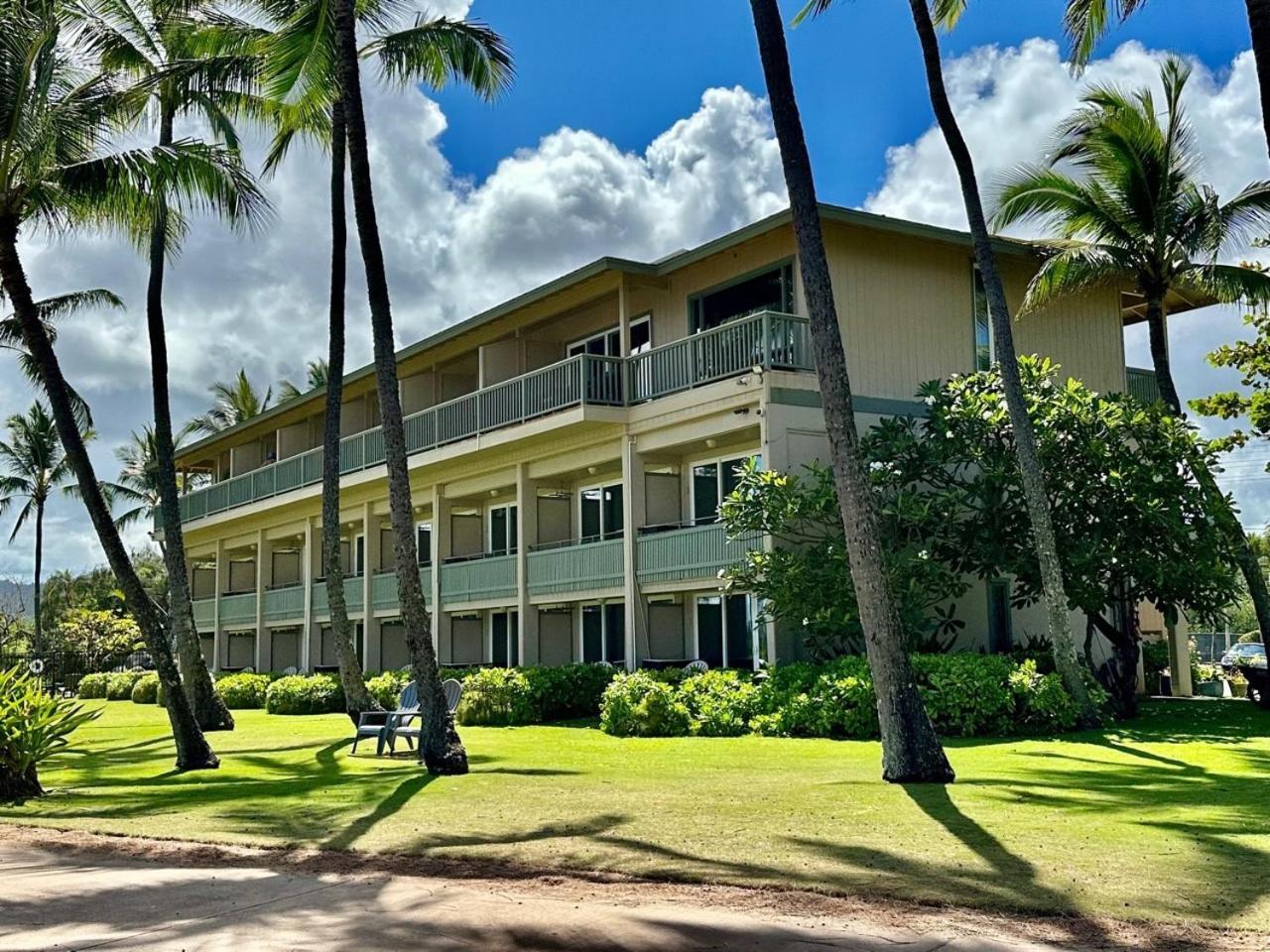
The Big Island offers the widest range of budget accommodation, particularly in Hilo - where Hilo Airport sits just 2 km from several properties - and in the Kailua-Kona corridor, which puts guests within reach of Kaloko-Honokohau National Historic Park and snorkeling at Kahalu'u Beach Park. On Maui, the Lahaina and Kahana stretch of West Maui places budget travelers within walking distance of Napili Beach and close to Kapalua's golf and dining, without the full resort price tag. Kauai's Kapaa town is a strong budget base on the east shore, offering oceanfront access and a walkable strip of restaurants and surf shops. Book at least 8 weeks ahead for travel between December and April, when winter whale-watching season drives occupancy across all islands. For volcano tourism on the Big Island, the Volcano village area fills quickly when Kilauea is actively erupting and travel media coverage spikes demand overnight.
Best Value Budget Stays
These properties offer the strongest combination of location, included amenities, and low nightly rates across their respective islands - suited for travelers prioritizing cost without sacrificing access to Hawaii's main attractions.
-
1. Hilo Reeds Bay Hotel
Show on map


 Check-infrom 15:00 until 22:00Check-outfrom 07:00 until 11:00
Rooms filling fast – secure the best rate!
fromUS$ 134
-
2. Volcano Forest Inn
Show on map


 Check-infrom 15:00 until 21:00Check-outuntil 11:00
Just a few rooms left at the best rate!
fromUS$ 135
-
3. Hotel Coral Reef
Show on map


 Check-infrom 15:00 until 23:59Check-outuntil 11:00
Rooms filling fast – secure the best rate!
fromUS$ 419
-
4. Big Island Retreat - No Resort Fees
Show on map


 Check-infrom 15:00 until 23:59Check-outuntil 11:00
Hurry – almost gone at this price!
fromUS$ 110
-
5. Hale Maluhia Country Inn
Show on map


 Check-infrom 15:00 until 21:00Check-outfrom 01:00 until 11:00
Just a few rooms left at the best rate!
fromUS$ 306
Best Budget Options on Maui and Oahu
Maui and Oahu carry higher baseline prices than the Big Island, but these properties offer the most competitive rates in their respective zones while maintaining beach access and key amenities.
-
6. Gardens At West Maui
Show on map


 Check-infrom 16:00 until 23:59Check-outuntil 11:00
Hurry – almost gone at this price!
fromUS$ 129
-
7. Kahana Beach Vacation Club
Show on map


 Check-infrom 16:00 until 23:59Check-outuntil 11:00
Hurry – almost gone at this price!
fromUS$ 154
-
8. Aqua Palms Waikiki
Show on map


 Check-infrom 15:00 until 23:59Check-outuntil 12:00
Best price guarantee
fromUS$ 71
-
9. Paniolo Greens Resort
Show on map


 Check-infrom 16:00 until 22:00Check-outfrom 07:00 until 10:00
Just a few rooms left at the best rate!
fromUS$ 126
Smart Timing & Booking Strategy for Budget Hawaii Hotels
Hawaii's tourism calendar splits into two clear peaks: summer (June through August) driven by U.S. families, and winter (December through March) driven by whale-watching and mainland cold-weather escapes. Budget properties fill fastest in January and February when humpback whale season peaks in Maui's Auau Channel, pushing occupancy across West Maui properties like Gardens at West Maui and Kahana Beach Vacation Club well above 90%. The cheapest window to book across all islands is typically September through early November - a period locals call the "shoulder season" - when prices drop noticeably and crowds thin without the trade-off of hurricane risk that affects August. For Big Island volcano tourism, availability near Kilauea is unpredictable: eruption events trigger search spikes and Volcano Forest Inn-type properties sell out within days of major media coverage. Book at least 6 weeks ahead for any Big Island stay between October and February. For Oahu and Waikiki-adjacent properties like Aqua Palms, last-minute deals are more available year-round due to higher overall inventory, but rates rarely drop below peak-season levels on weekends.