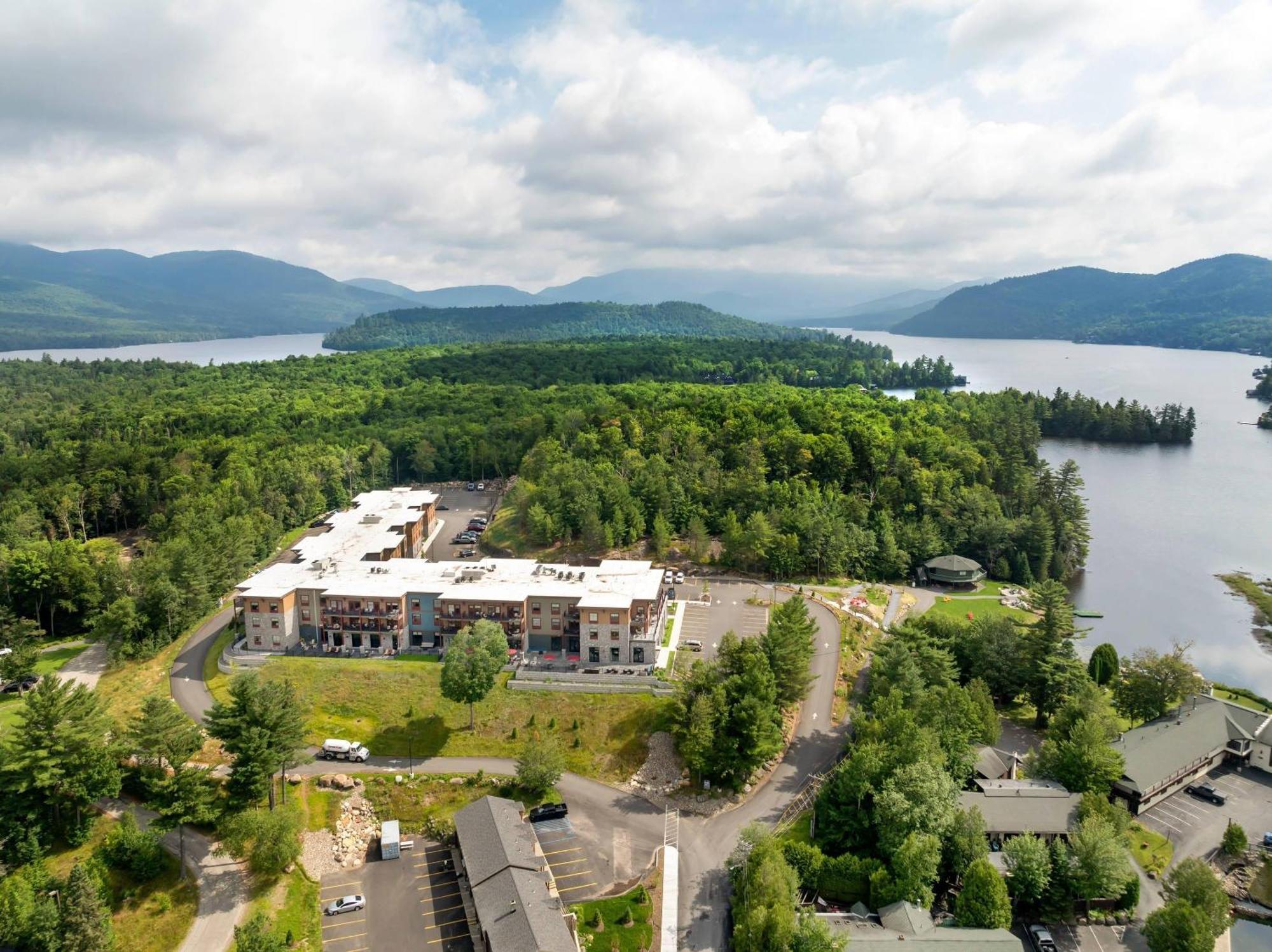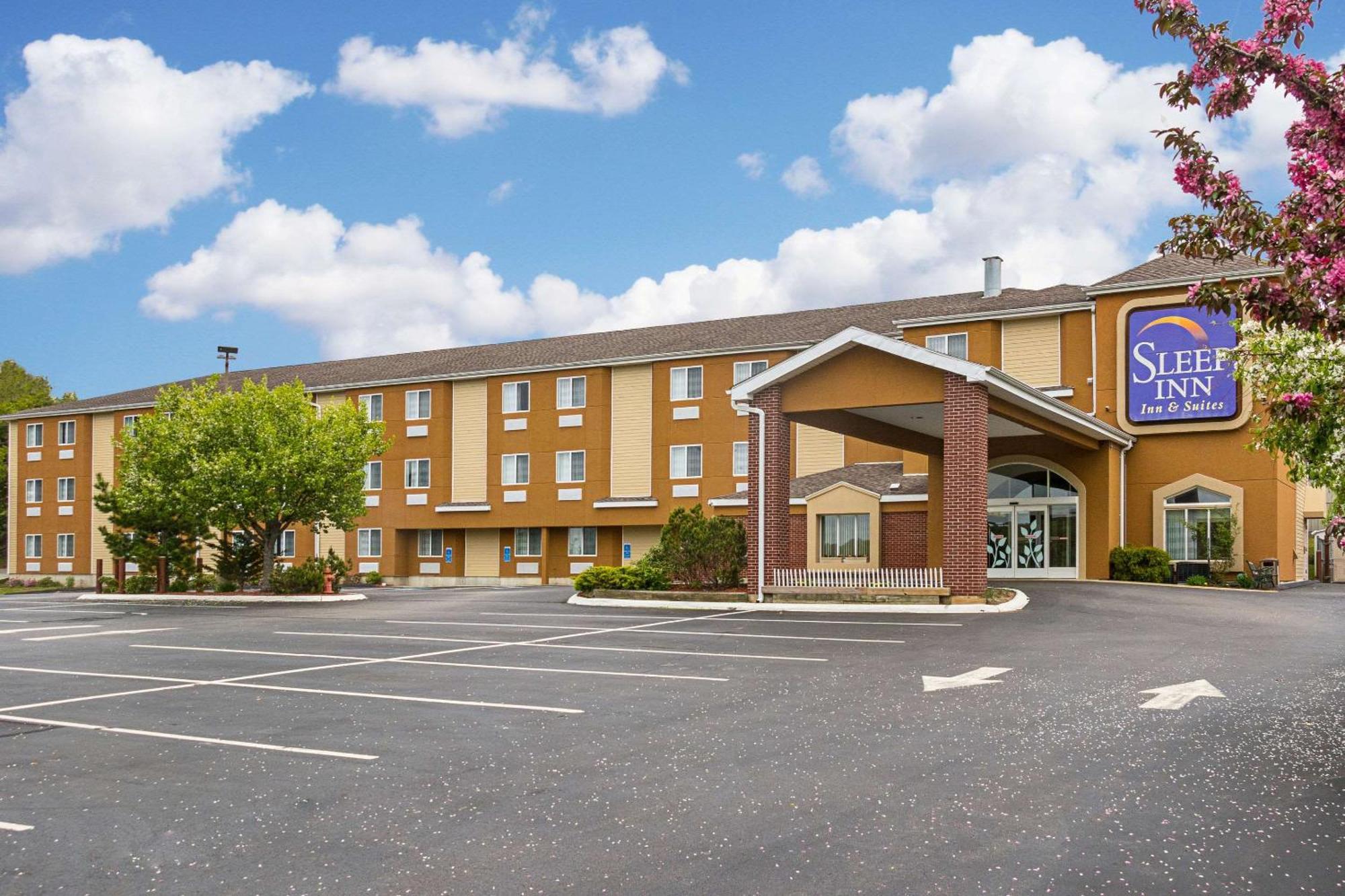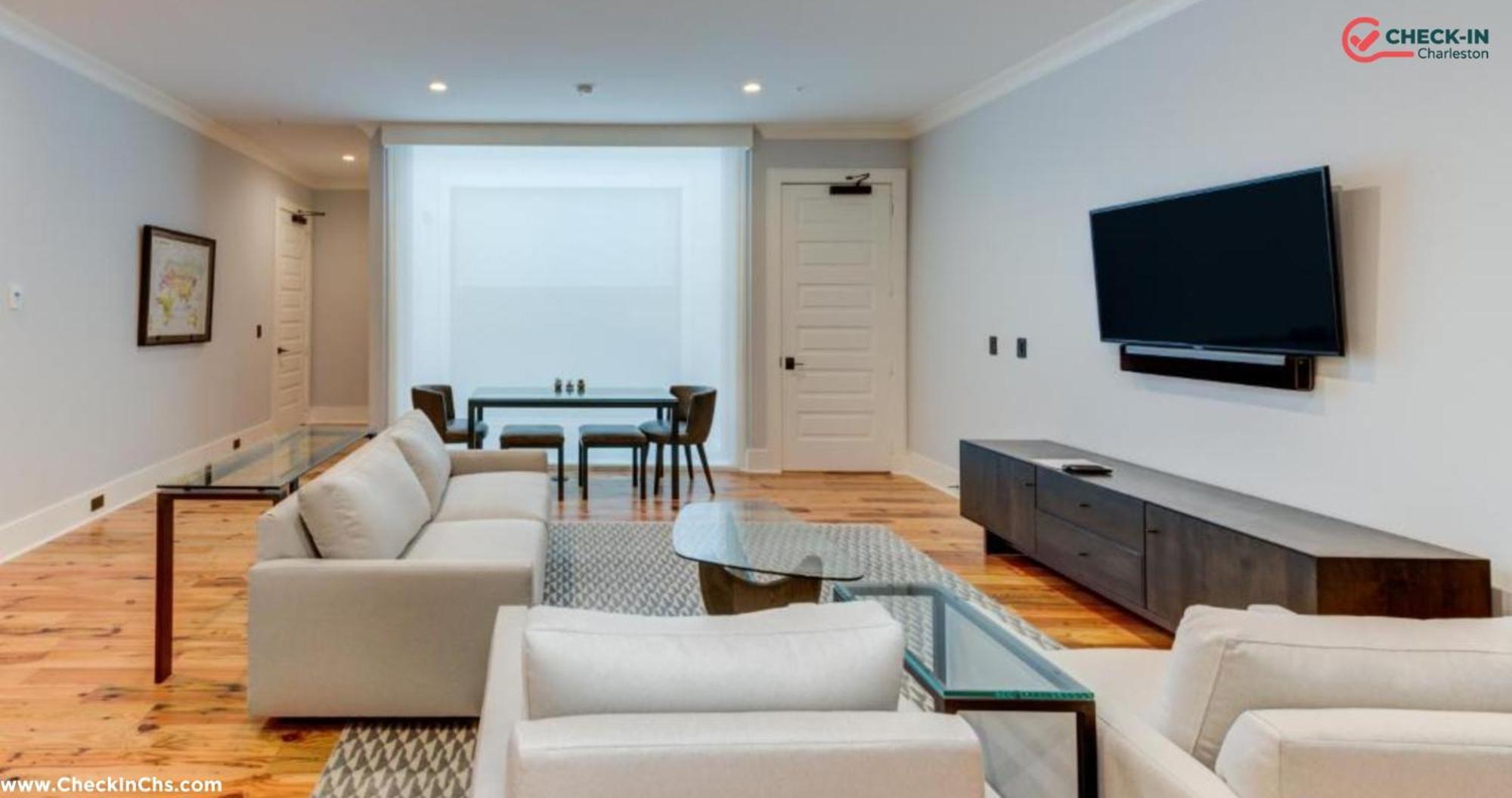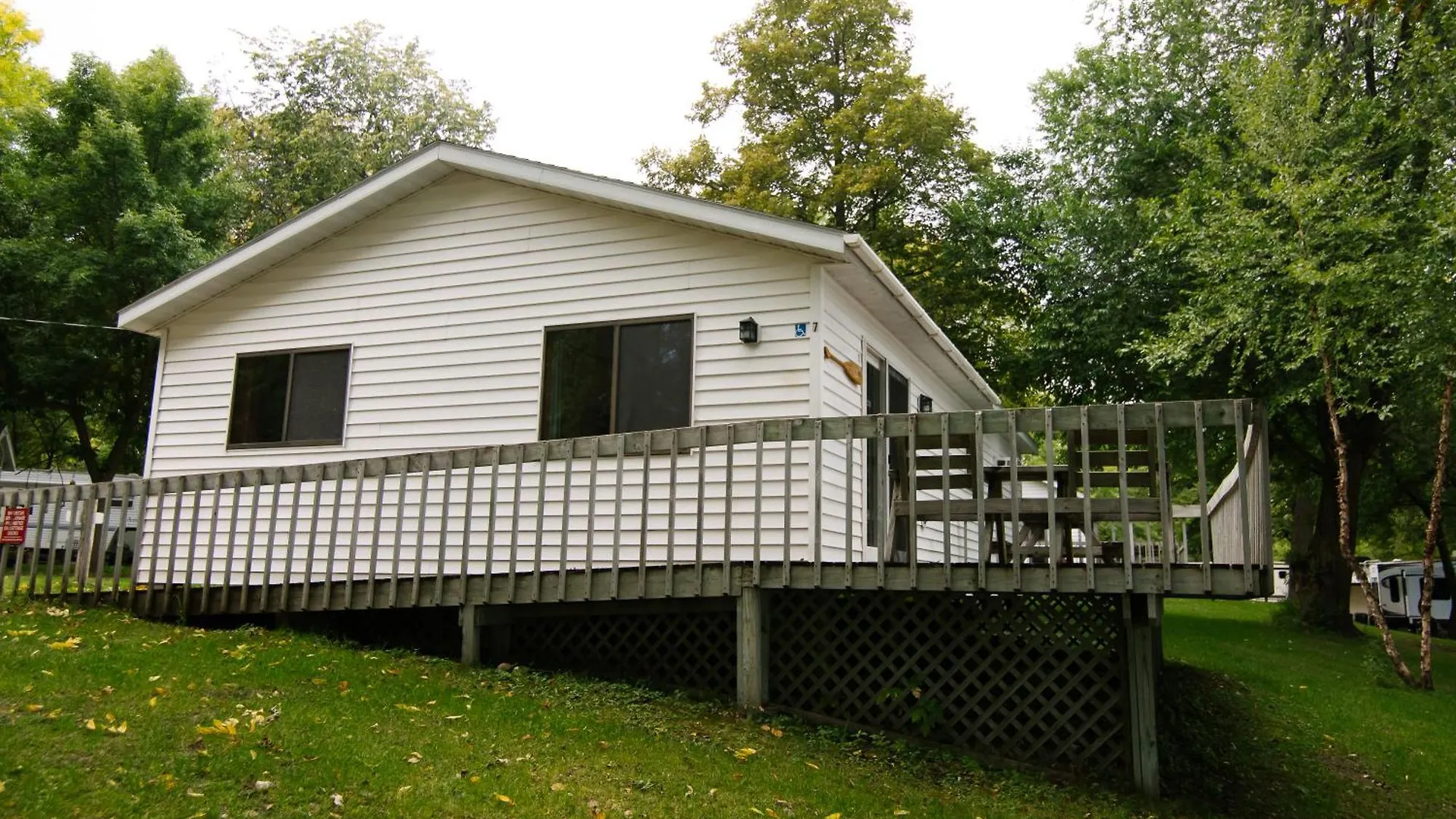
Staying central in the United States means something different depending on where you land. From lakeside resorts in Minnesota to beachfront escapes in Maui, the country's sheer geographic diversity makes location strategy the most critical booking decision you'll make. This guide covers 15 centrally located hotels across key US destinations - each chosen for its access, facilities, and real-world utility for travelers navigating America's roads, national parks, and city cores.
What It's Like Staying in the United States
The United States spans six time zones and more than 3.8 million square miles, so "staying central" is less about geography and more about proximity to what you actually came to see. The country rewards strategic hotel selection - placing yourself near a national park entrance, a convention center, or a coastal boardwalk cuts commute time dramatically and changes the quality of your trip. Car dependency is real across most of the country; outside New York, Chicago, and a handful of walkable downtowns, a vehicle is essential for getting around efficiently.
Crowd patterns vary enormously by region. National park gateways like Springdale (Zion) and Estes Park (Rocky Mountains) fill up weeks in advance during summer, while Chesapeake Bay and Delaware Beach destinations peak on holiday weekends. Urban hotel demand spikes around conventions and sporting events, which can double standard room rates with little warning - especially in cities like Richmond, Wichita, and Tulsa.
Pros:
- Enormous variety of landscapes within driving distance - desert, alpine, coastal, and lakefront stays are all accessible without flying
- Most centrally located US hotels offer free parking, a significant cost advantage over European city-center properties
- National park proximity from gateway hotels gives you early-morning access before crowds build
Cons:
- Inter-city travel between destinations requires significant drive time or domestic flights that add cost and logistics
- Peak-season pricing at resort and park-adjacent properties can spike around 40% above shoulder-season rates
- Many centrally located properties in smaller US towns have limited walkable dining and entertainment options after dark
Why Choose Central Hotels in the United States
Central hotels in the United States range from full-service resort properties to lean, no-frills inns positioned near airports, universities, or regional attractions. What they share is access - the ability to reach your primary destination quickly without absorbing the cost of a downtown luxury rate. Across mid-size US cities and regional hubs, centrally located 3-star properties typically run between $90 and $160 per night, significantly undercutting comparable city-center options in major metros. Free parking is nearly universal at central US hotels outside of dense urban cores, which alone saves travelers around $30 per night compared to self-park garages in cities like Richmond or Tulsa.
Room sizes at central US hotels tend to be more generous than their European counterparts at similar price points, with many properties offering suite-style layouts, kitchenettes, or fully equipped kitchen units - especially relevant for extended stays or family travel. The trade-off is that some central properties sit along commercial corridors with highway noise, minimal street life, and reliance on a car for every errand. Breakfast inclusion is a genuine differentiator at this category level in the US - many mid-range central hotels offer buffet or American breakfast, effectively reducing daily food costs by $15-$20 per person.
Pros:
- Free parking included at the vast majority of central US hotels, eliminating a daily urban cost
- Suite and kitchen-equipped rooms common in this category, supporting longer stays without eating out every meal
- Proximity to convention centers, airports, and regional attractions without premium downtown pricing
Cons:
- Many central properties outside major metros offer no walkable nightlife or restaurant scene within the immediate block
- Highway-adjacent locations mean noise can be an issue in lower-floor or exterior-facing rooms
- Amenity depth varies widely - some properties offer pools and fitness centers while others are stripped-back inn formats
Practical Booking & Area Strategy for US Central Hotels
Choosing where to base yourself in the United States depends heavily on your itinerary anchor. For national park access, gateway towns like Springdale (Zion NP) and Estes Park (Rocky Mountain NP) let you enter parks before the main tourist wave arrives - a meaningful advantage since timed entry reservations at top US parks now require precise morning timing. For multi-attraction road trips through the Southwest, positioning near a state highway junction rather than deep in a resort zone gives you flexibility without sacrificing comfort.
In regional cities like Richmond, Tulsa, and Wichita, staying within 5 kilometers of the convention or arts district puts you close to dining and cultural venues while avoiding the premium of a true downtown address. The Chesapeake Bay's Eastern Shore - including Tilghman Island - is a strong off-the-beaten-path option within a 90-minute drive of both Baltimore and Washington D.C., offering waterfront access without DC hotel pricing. For wine country visits, Walla Walla in Washington State is a well-positioned base with regional airport access just 4 kilometers from central accommodations. Plan bookings at least 6 weeks ahead for summer and major holiday weekends across all US resort and park-adjacent destinations.
Central Hotels by Region: Lakes, Mountains & Coastal Escapes
These properties are positioned near major natural landmarks and waterfront destinations, offering direct access to outdoor activities and scenic environments across different US regions.
-
1. Riverside Resort
Show on map


 Check-infrom 16:00 until 19:00Check-outuntil 10:00
Hurry – almost gone at this price!
fromUS$ 354
-
2. Bumbleberry Inn
Show on map


 Check-infrom 15:00 until 23:59Check-outuntil 11:00
Best price guarantee
fromUS$ 150
-
3. The Stanley Hotel
Show on map


 Check-infrom 16:00 until 23:59Check-outuntil 11:00
Just a few rooms left at the best rate!
fromUS$ 185
-
4. Wylder Hotel - Tilghman Island
Show on map


 Check-infrom 16:00 until 20:00Check-outfrom 08:00 until 11:00
Hurry – almost gone at this price!
fromUS$ 334
-
5. Antlers At Vail Resort
Show on map


 Check-infrom 16:00 until 23:59Check-outuntil 10:00
Hurry – almost gone at this price!
fromUS$ 249
-
6. Brighton Suites Hotel
Show on map


 Check-infrom 15:00 until 23:59Check-outfrom 05:00 until 11:00
Just a few rooms left at the best rate!
fromUS$ 224
-
7. Residence Inn By Marriott Maui Wailea
Show on map


 Check-infrom 16:00 until 23:59Check-outuntil 12:00
Best price guarantee
fromUS$ 399
Central Hotels in US Cities & Regional Hubs
These properties are positioned in or near mid-size US cities, regional commercial hubs, and airport corridors - delivering functional access to business districts, cultural attractions, and transport links without downtown luxury pricing.
-
8. The Finch
Show on map


 Check-infrom 15:00 until 22:00Check-outfrom 06:00 until 11:00
Hurry – almost gone at this price!
fromUS$ 143
-
9. Quality Inn Glenpool - Tulsa
Show on map


 Check-infrom 14:00 until 23:59Check-outuntil 11:00
Rooms filling fast – secure the best rate!
fromUS$ 85
-
10. Moxy Richmond Downtown
Show on map


 Check-infrom 15:00 until 23:59Check-outuntil 12:00
Just a few rooms left at the best rate!
fromUS$ 148
-
11. Comfort Inn Portales
Show on map


 Check-infrom 15:00 until 23:59Check-outuntil 11:00
Rooms filling fast – secure the best rate!
fromUS$ 94
-
12. Fairfield Inn & Suites By Marriott Slippery Rock
Show on map


 Check-infrom 15:00 until 23:59Check-outuntil 12:00
Rooms filling fast – secure the best rate!
fromUS$ 164
-
13. Hampton Inn West Wichita Goddard
Show on map


 Check-infrom 15:00 until 23:59Check-outuntil 12:00
Just a few rooms left at the best rate!
fromUS$ 107
-
14. Holiday Inn Express & Suites - Sterling By Ihg
Show on map


 Check-infrom 15:00 until 23:59Check-outuntil 12:00
Rooms filling fast – secure the best rate!
fromUS$ 147
-
15. The Brick Boutique Hotel
Show on map


 Check-infrom 15:00 until 23:59Check-outuntil 11:00
Best price guarantee
fromUS$ 190
Smart Travel Timing & Booking Strategy for US Hotels
The United States has no single peak season - it shifts by region. National park gateway hotels book out fastest, with properties near Zion, Rocky Mountain, and Vail often requiring reservations 8 weeks in advance for summer and ski-season windows. Coastal properties on the East Coast (Delaware, Chesapeake Bay, Maryland) peak hard on Memorial Day, Fourth of July, and Labor Day weekends, when last-minute rates can jump steeply and availability collapses within a 48-hour window.
For city-based central hotels in mid-size markets like Richmond, Tulsa, Wichita, and Sterling, shoulder season (April-May and September-October) typically delivers the best value - lower rates, smaller crowds, and more availability across preferred room types. Hawaii is the exception: Maui's Wailea district commands premium pricing year-round, with January to March seeing a secondary wave of mainland visitors escaping winter. Booking at least 4 weeks ahead for any US travel between June and August is a baseline precaution across virtually all regions covered in this guide. For road trip stopovers in less trafficked areas like Portales, NM or Goddard, KS, same-week booking is typically viable outside holiday periods.