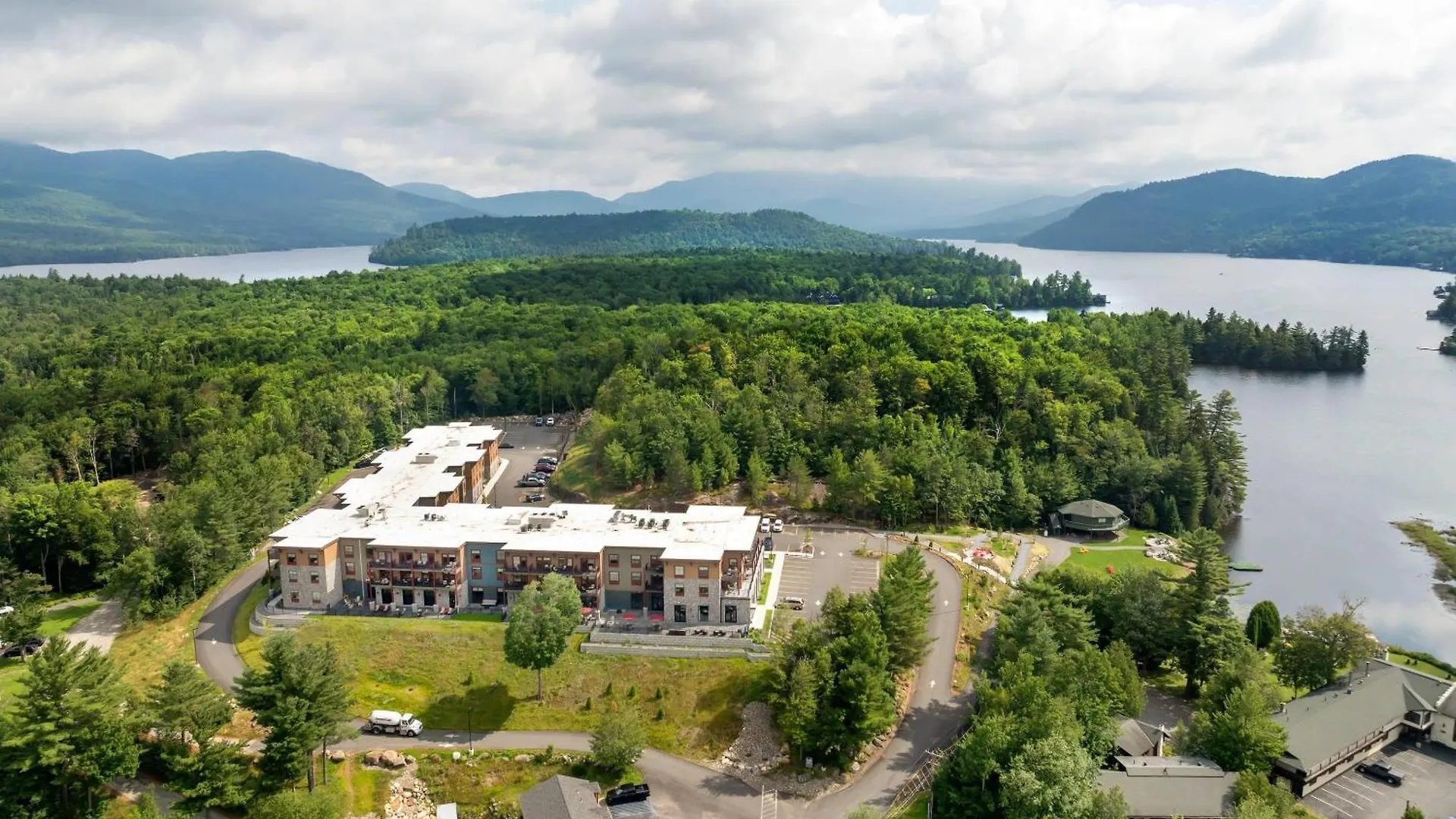
The United States offers one of the most geographically diverse resort landscapes in the world - from casino resorts in the Pacific Northwest and beachfront suites on the Chesapeake Bay to mountain lakeside retreats in the Adirondacks and spa escapes in Ohio's countryside. With over 50 distinct states each offering different climates, terrains, and cultural draws, choosing where to stay and which type of resort fits your trip requires a clear-eyed look at what each region actually delivers. This guide covers 15 resort hotels across the U.S., with specific details on location, amenities, and booking context to help you make the right call.
What It's Like Staying in the United States
The U.S. spans six time zones and encompasses coastal cities, desert landscapes, alpine terrain, and subtropical coastlines - meaning the experience of staying here varies dramatically depending on the state. Crowd patterns shift heavily by region: coastal resort areas like Virginia Beach and Connecticut's shoreline peak in summer, while mountain destinations like Lake Placid in New York draw visitors year-round for outdoor sports. Urban resort hubs such as New Orleans attract visitors driven by food, music, and cultural events that often overlap with major festivals, making advance planning essential.
Travelers who want variety within a single trip benefit most from the U.S., since driving distances between dramatically different environments are often manageable. Those seeking compact, walkable itineraries may find the car-dependency of many American resort zones a logistical friction point. Resort zones in states like Washington, Wisconsin, and Colorado tend to sit outside major city centers, making rental cars effectively non-optional.
Pros:
- Extreme landscape diversity - beach, mountain, forest, and desert resorts within a single country
- Wide price range across states, with Midwest and Southern resort towns offering significantly lower nightly rates than coastal equivalents
- Well-developed tourism infrastructure in most resort zones, including reliable airport connections and chain amenities
Cons:
- Many resort areas require a car - public transport is limited or nonexistent outside major metros
- Peak season occupancy in popular resort corridors can push rates up by around 40% compared to shoulder months
- Quality consistency varies sharply between states - a 3-star rating in Mississippi carries different expectations than a 3-star in New York
Why Choose Resort Hotels in the United States
Resort hotels in the U.S. are distinguished from standard hotels by their emphasis on on-site experience - indoor and outdoor pools, spa facilities, dining options, recreational activities, and event spaces are built into the property rather than sourced externally. This self-contained model is especially relevant in rural and suburban U.S. locations, where nearby restaurant and entertainment options can be limited. A resort in Portage, Wisconsin or Aurora, Ohio effectively functions as its own destination, not just a place to sleep.
Across the U.S., resort hotels typically command a premium of around 25% over comparably rated standard hotels in the same area, but that gap narrows significantly in secondary cities and Midwest markets. Room sizes in American resorts tend to run larger than urban hotels, with suite-style layouts - separate sleeping and living areas, kitchenettes, and private bathrooms - more common in this category. Trade-offs include higher food and beverage costs on-site, resort fees (which are widespread in the U.S. and often not included in the displayed rate), and the occasional isolation from local neighborhoods and authentic dining scenes.
Pros:
- On-site amenities reduce dependence on external services, particularly useful in car-centric or rural areas
- Suite-style room layouts with kitchenettes are common, lowering food costs for longer stays
- Many U.S. resorts offer bundled breakfast, which meaningfully improves value outside major cities
Cons:
- Mandatory resort fees are widespread and frequently not displayed upfront in base rates
- On-site dining at American resorts is often priced at a significant markup versus local alternatives
- Properties in isolated resort zones may feel disconnected from the local character of their region
Practical Booking & Area Strategy for U.S. Resort Hotels
Location selection is the single most consequential decision when booking a resort in the United States. Properties in secondary markets - like Meridian (Mississippi), Grand Forks (North Dakota), or Portage (Wisconsin) - offer considerably lower nightly rates and easier availability, while still providing full resort amenities. By contrast, coastal and mountain resort zones such as Virginia Beach, Lake Placid, and Niantic (Connecticut) require booking well ahead, particularly between June and August when occupancy routinely hits capacity. Auburn, Washington sits just 23 km from Seattle-Tacoma International Airport, making Muckleshoot Casino Resort a practical option for travelers who want resort-level facilities without downtown Seattle pricing.
For travelers focused on cultural access, New Orleans' Garden District (Club Wyndham Avenue Plaza) places guests within reach of the French Quarter and the Morial Convention Center without requiring a car for evening outings. Anacortes in Washington state serves as a ferry hub to the San Juan Islands, making Nantucket Inn a strategic base for Pacific Northwest island exploration. Leavenworth, Kansas sits 28 km from Kansas City International Airport, offering convenient access for short-haul resort stays without requiring overnight connections. For winter sports, Lake Placid's proximity to Whiteface Mountain and its Olympic history make it one of the most activity-dense resort towns in the Northeast.
Fruita, Colorado - near Grand Junction - is an underrated base for mountain biking and skiing, with direct access to Colorado Mesa University recreational trails and Grand Junction Regional Airport just 24 km away. Vermont's Mad River Valley (Waitsfield) draws skiers and foliage travelers but remains far less congested than Stowe, despite being only 42 km from Stowe Village. Benson, North Carolina offers one of the lowest-cost resort corridors in the Southeast, positioned between Raleigh and the coast for road-trip itineraries.
Coastal & Waterfront Resorts
These properties sit on or near significant bodies of water - ocean bays, river systems, or lakefronts - where the location itself is a primary amenity and access to water-based activities shapes the stay.
-
1. Delta Hotels By Marriott™ Virginia Beach Waterfront Suites
Show on map


 Check-infrom 16:00 until 23:59Check-outuntil 11:00
Hurry – almost gone at this price!
fromUS$ 104
-
2. Cambria Hotel Lake Placid - Lakeside Resort
Show on map


 Check-infrom 16:00 until 23:59Check-outuntil 11:00
Rooms filling fast – secure the best rate!
fromUS$ 262
-
3. Sleep Inn & Suites Niantic North
Show on map


 Check-infrom 16:00 until 23:59Check-outuntil 11:00
Rooms filling fast – secure the best rate!
fromUS$ 140
Casino & Entertainment Resorts
These properties are built around casino operations and live entertainment infrastructure, offering dining, spa, and recreational facilities on a scale that functions independently of the surrounding area.
-
4. Muckleshoot Casino Resort
Show on map


 Check-infrom 16:00 until 21:00Check-outuntil 11:00
Best price guarantee
fromUS$ 169
-
5. Club Wyndham Avenue Plaza
Show on map


 Check-infrom 16:00 until 23:59Check-outuntil 10:00
Best price guarantee
fromUS$ 115
Spa, Wellness & Countryside Resorts
These properties center on wellness programming, outdoor recreation, and retreat-style settings in locations removed from urban density - suitable for multi-night stays focused on rest, nature access, or specific activities like skiing, cycling, or spa treatments.
-
6. Mario'S International Spa, Hotel & Restaurant
Show on map


 Check-infrom 15:00 until 23:59Check-outuntil 12:00
Best price guarantee
fromUS$ 240
-
7. Comfort Inn & Suites Fruita - Grand Junction
Show on map


 Check-infrom 13:00 until 23:59Check-outuntil 11:00
Best price guarantee
fromUS$ 124
-
8. Best Western Resort Hotel & Conference Center Portage
Show on map


 Check-infrom 15:00 until 23:59Check-outuntil 11:00
Hurry – almost gone at this price!
fromUS$ 92
-
9. Leavenworth Local Hotel
Show on map


 Check-infrom 16:00 until 22:00Check-outuntil 12:00
Best price guarantee
fromUS$ 92
Value & Regional Resort Hotels Across the U.S.
These properties deliver resort-adjacent amenities - pools, breakfast, free parking, fitness access - across secondary U.S. markets where nightly rates run significantly lower than coastal or mountain resort equivalents, and where regional access is the primary draw.
-
10. Comfort Inn Meridian - Bonita Lakes
Show on map


 Check-infrom 14:00 until 23:59Check-outuntil 12:00
Best price guarantee
fromUS$ 83
-
11. Americinn By Wyndham Grand Forks
Show on map


 Check-infrom 15:00 until 23:59Check-outuntil 11:00
Just a few rooms left at the best rate!
fromUS$ 76
-
12. Nantucket Inn - Anacortes
Show on map


 Check-infrom 16:00 until 18:00Check-outuntil 11:00
Best price guarantee
fromUS$ 249
-
13. Hampton Inn Benson
Show on map


 Check-infrom 15:00 until 23:59Check-outuntil 12:00
Best price guarantee
fromUS$ 126
-
14. Mad River Lodge
Show on map


 Check-infrom 16:00 until 23:59Check-outuntil 11:00
Just a few rooms left at the best rate!
fromUS$ 132
-
15. Hilton Garden Inn Pittsburgh/Cranberry
Show on map


 Check-infrom 15:00 until 23:59Check-outuntil 12:00
Just a few rooms left at the best rate!
fromUS$ 102
Smart Travel & Timing Advice for U.S. Resort Hotels
Timing a resort stay in the United States depends heavily on the region. Coastal properties - including Virginia Beach and Connecticut's Niantic - reach their highest occupancy and pricing between late June and August, when families dominate bookings and availability at well-reviewed properties disappears weeks in advance. Booking coastal resorts at least 8 weeks ahead during summer is standard practice to secure preferred room types at non-inflated rates. Mountain destinations like Lake Placid operate on a dual-season model: winter (December through March) draws skiers to Whiteface Mountain, while fall foliage season in October creates a secondary demand spike that many travelers underestimate.
Shoulder season - April through May and September through October - consistently delivers the best value across most U.S. resort zones. Midwest and Southern markets (Portage, Benson, Meridian, Grand Forks) see fewer dramatic seasonal swings, making them viable year-round at stable rates. New Orleans follows a unique calendar: Mardi Gras season (February) and Jazz Fest (late April to early May) cause rate spikes of around 50% versus regular weeks, making those periods high-cost unless specifically targeting the festivals. For Pacific Northwest properties like Muckleshoot and Nantucket Inn, summer months between July and September offer the most reliable dry weather, while the shoulder months of May and September provide similar conditions with lighter tourist traffic. A minimum stay of 2 nights is standard at most U.S. resorts to fully use on-site amenities and justify the resort fee structure common across the category.