Amsterdam City Centre draws millions of visitors every year, and boutique hotels here offer something chain properties rarely deliver: a sense of place. These two properties sit at very different micro-locations within the broader centre - one close to the IJ waterfront near Central Station, the other anchored in De Pijp on the southern edge - giving travellers genuinely distinct experiences depending on their priorities. This guide breaks down what each hotel actually offers, where they stand geographically, and how to decide which fits your trip.
What It's Like Staying in Amsterdam City Centre
Amsterdam City Centre - known locally as the Centrum - is a compact, walkable grid of canals and narrow streets where most major attractions sit within 2 kilometres of each other. Trams run frequently along Stadhouderskade, Damrak, and Leidsestraat, making it easy to cross the district without walking, though the tram network also means certain streets carry heavy foot and cycle traffic well into the night. Staying here means accepting that quiet side streets coexist with tourist-saturated main arteries, and the experience shifts significantly depending on which block your hotel occupies.
Pros:
* Dam Square, the Rijksmuseum, the Anne Frank House, and the canal belt are all reachable on foot - no transport fare needed for most sightseeing days
* Tram lines 2, 4, 12, and 24 connect the centre to the wider city within minutes, including direct links to Amsterdam Central Station
* The density of restaurants, brown cafés, and local markets means you rarely need to plan meals far in advance
Cons:
* Popular canal streets like Keizersgracht and Prinsengracht see heavy tourist and cycle congestion, especially from late spring through August
* Hotel rooms in the centre often command a premium compared to the same category in Oost or De Pijp without significantly more space
* Noise from street traffic, cyclists, and nightlife can be noticeable on lower or street-facing floors
Why Choose a Boutique Hotel in Amsterdam City Centre
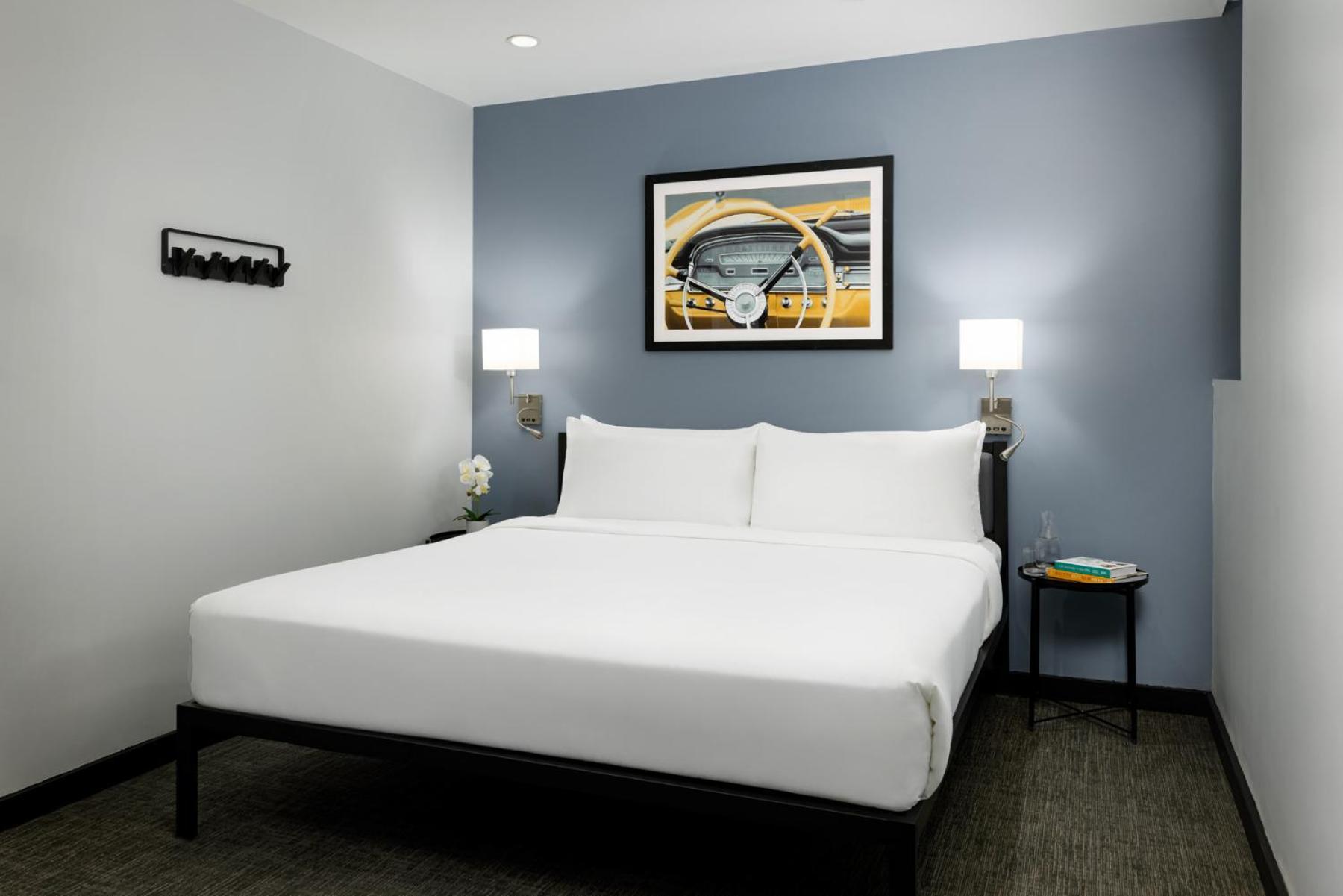
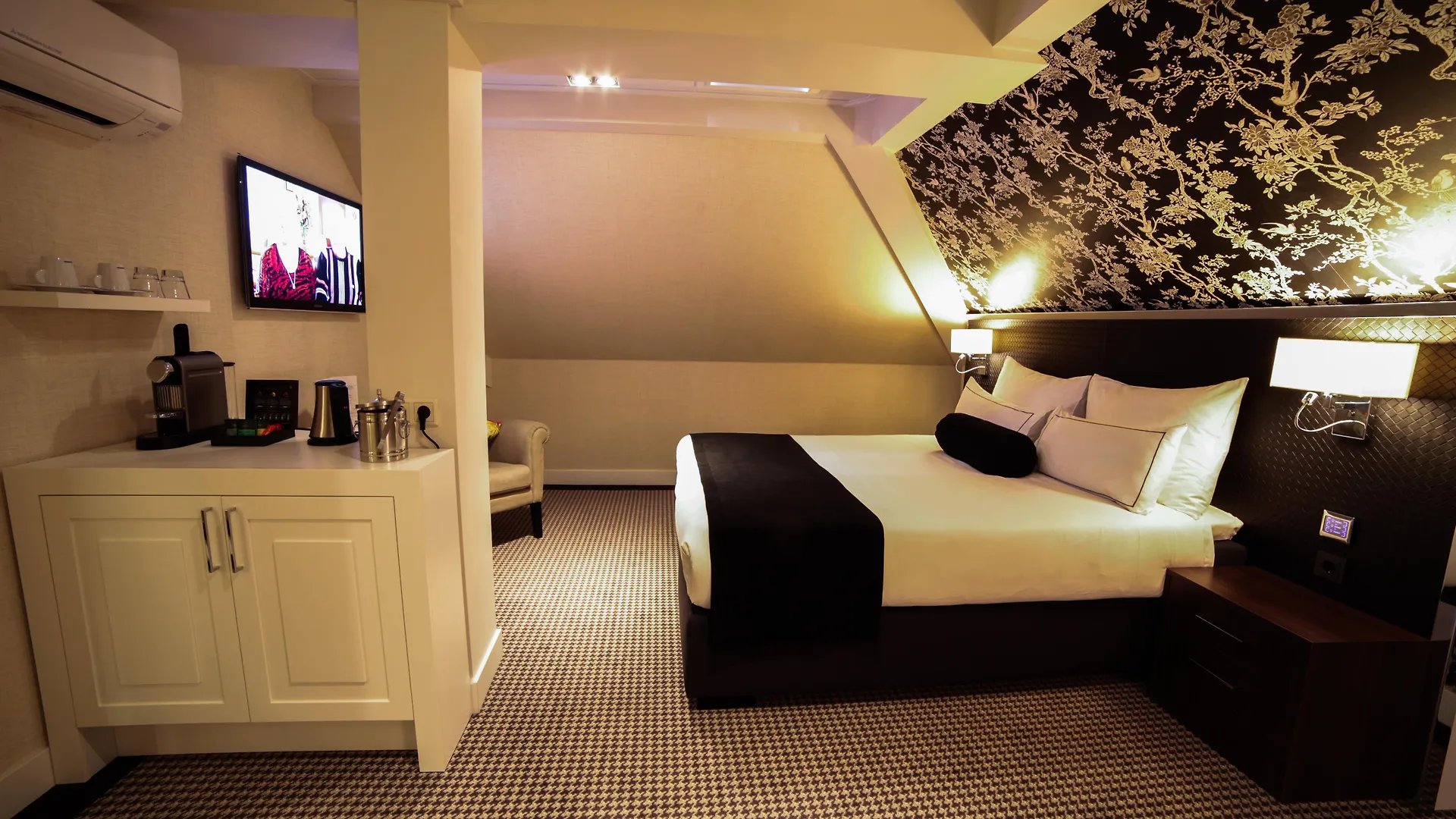
Boutique hotels in Amsterdam City Centre typically occupy historic canal houses or purpose-designed small-scale buildings, which gives them a visual character that larger chain hotels in the same district rarely replicate. Room sizes in the centre tend to be compact - expect standard doubles in the 18-22 m² range - but boutique properties compensate with considered design, curated in-room amenities like Nespresso machines, and attentive service ratios. The trade-off is real: boutique pricing in the centre can run around 25% higher than comparable category hotels in Amsterdam Oost or Amsterdam Zuid, and some room types, particularly attic or below-street-level categories, sacrifice natural light for architectural character.
Pros:
* Design-led interiors with canal house aesthetics that larger hotels cannot reproduce in this price bracket
* Smaller guest-to-staff ratios translate to faster concierge response and more personalised logistics support
* Access to niche services - bicycle rental, luggage storage, express check-out - that streamline a city-break itinerary
Cons:
* Attic, souterrain, and courtyard-facing rooms exist across this category, and light quality varies substantially between room types at the same property
* Breakfast availability and bar service hours are more limited than at full-service four-star hotels in the same zone
* Parking is rarely on-site and almost always a paid add-on in the centre
Practical Booking & Area Strategy
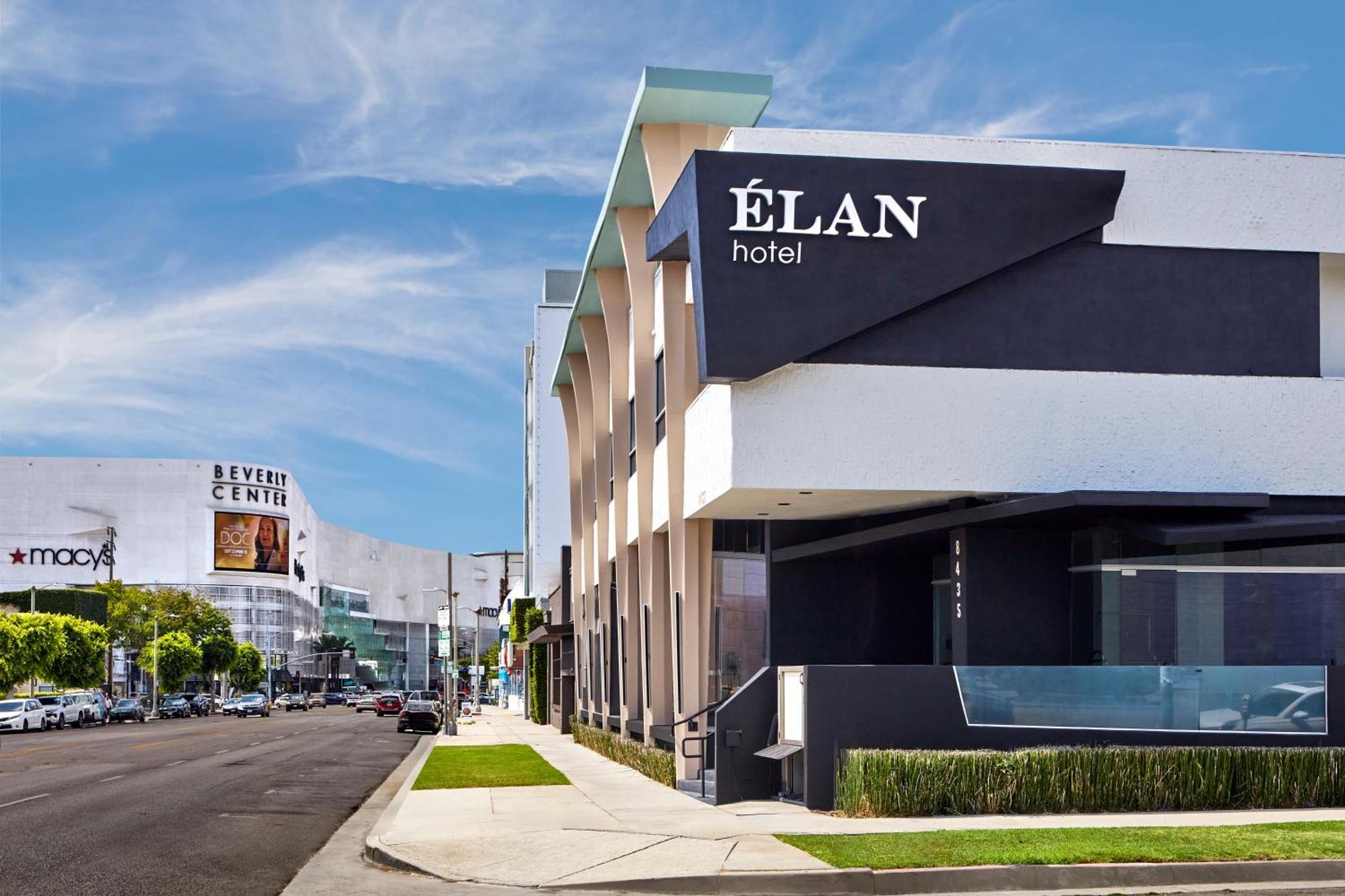
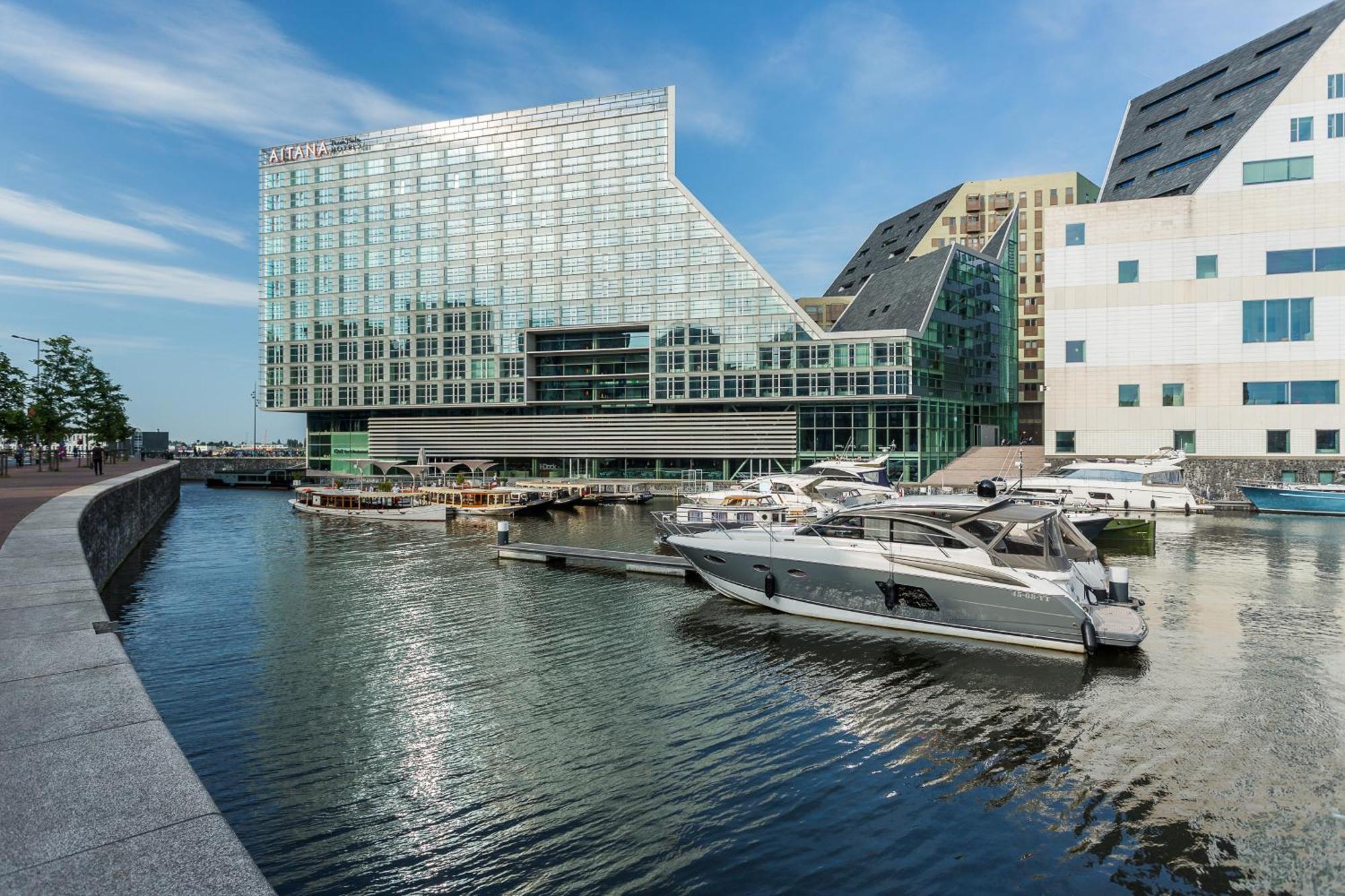
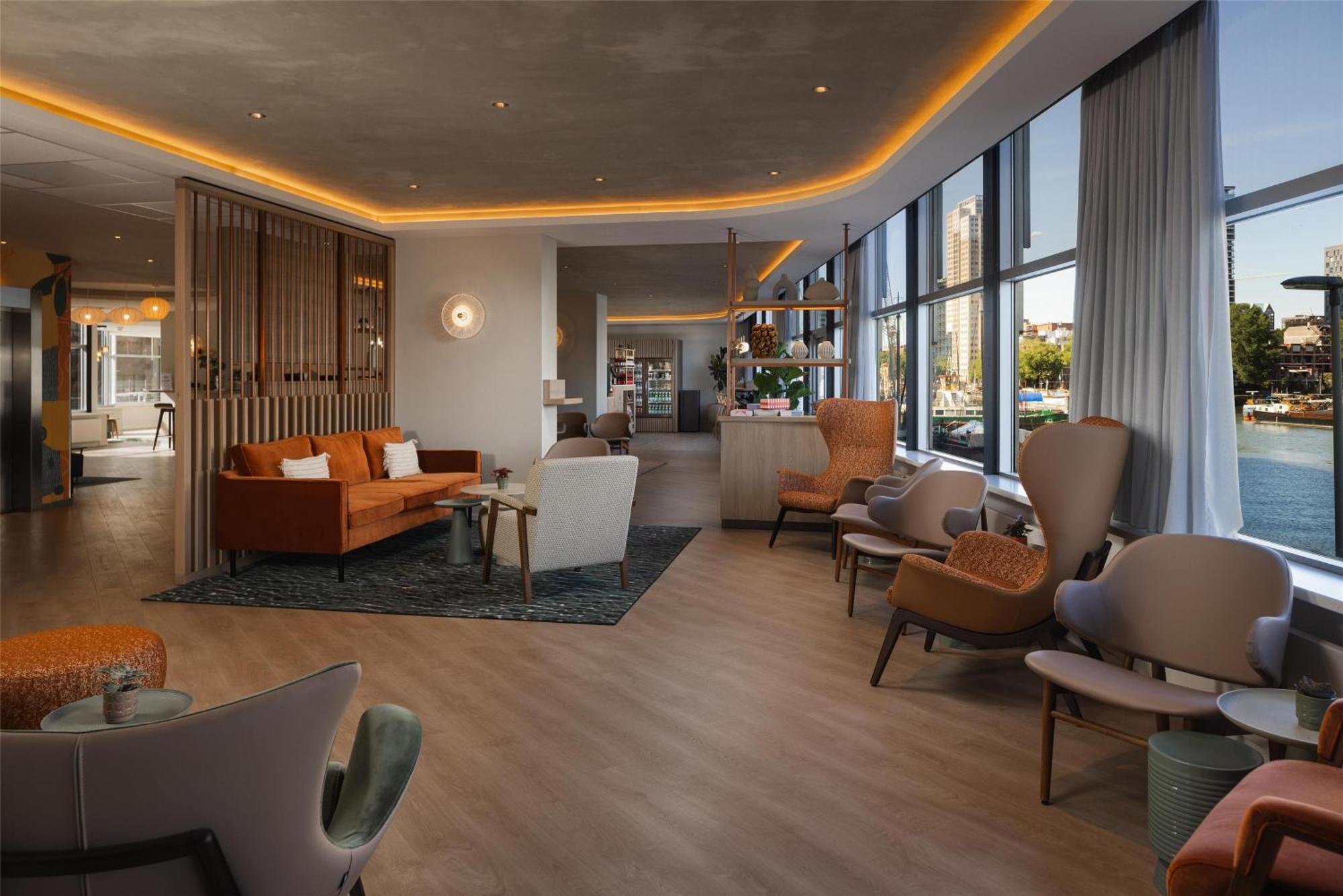
The two boutique hotels in this guide occupy very different micro-locations within Amsterdam's broader centre. Stadhouderskade - where Boutique Hotel Notting Hill sits - connects directly to the Rijksmuseum, Leidseplein, and the Albert Cuyp Market, making it one of the most transit-efficient streets in the southern centre. Tram 24 from the hotel's front stop reaches Amsterdam Central Station in under 20 minutes. Room Mate Aitana, by contrast, is positioned on the IJdok artificial island in the IJ River, roughly 800 metres from Central Station - a location that offers sweeping waterfront views but sits noticeably further from the canal belt's main cultural circuit.
For sightseeing-heavy trips - Anne Frank House, Van Gogh Museum, Heineken Experience, Vondelpark - the Stadhouderskade position eliminates the need for daily transport. For travellers who prioritise design, river panoramas, and proximity to Central Station for day trips to Haarlem or Utrecht, the IJdok position is the stronger logistical base. Book at least 6 weeks in advance for stays between April and August, when tulip season, King's Day, and summer tourism push occupancy rates above 90% across the centre. January and February offer the lowest rates and shortest museum queues, with the Amsterdam Light Festival adding a reason to visit beyond shoulder-season pricing.
Recommended Boutique Hotels
Both properties below are boutique hotels in the Amsterdam City Centre area, positioned at distinct micro-locations with different strengths. One sits on the cultural axis of De Pijp and the museum quarter; the other delivers waterfront design on the IJ River. Choose based on whether walkable sightseeing or design-forward views matter more to your itinerary.
-
1. Boutique Hotel Notting Hill
Show on map


 Check-infrom 15:00 until 23:59Check-outuntil 12:00
Just a few rooms left at the best rate!
from€ 71
-
2. Room Mate Aitana, Amsterdam
Show on map


 Check-infrom 15:00 until 23:59Check-outuntil 12:00
Hurry – almost gone at this price!
from€ 280
Smart Travel & Timing Advice for Amsterdam City Centre
April through August is the most expensive and crowded window to stay in Amsterdam City Centre - King's Day in late April, followed by summer school holidays, pushes hotel rates sharply upward and fills the canal streets from morning to late evening. For boutique hotels specifically, the most desirable room types (canal view, upper floors, suites) sell out weeks ahead during this period; booking around 6 weeks before arrival is the minimum for securing first choice. September and October offer a measurable drop in crowds and pricing while keeping pleasant enough weather for canal walks and outdoor café culture. January and February are the cheapest months, with hotel rates dropping noticeably and museum queues shrinking - the Amsterdam Light Festival, which runs through January, adds a compelling visual experience along the canals at no extra cost. For a city-centre boutique stay, 3 nights is the practical minimum to cover the key cultural circuit without feeling rushed; 4 to 5 nights allows day trips to Haarlem or Keukenhof during tulip season without sacrificing time in the centre itself.