Amsterdam City Centre - known locally as Centrum - is the historic beating heart of the Dutch capital, where 17th-century canal houses line cobbled streets leading directly to the Rijksmuseum, Anne Frank House, and Dam Square. For travellers seeking historical hotels in this district, the choice is more nuanced than it looks: two properties stand out for different reasons, each anchored in a distinct corner of the centre's layered urban fabric. This guide breaks down the real trade-offs, booking tactics, and micro-location differences so you can make a confident, informed decision.
What It's Like Staying in Amsterdam City Centre
Amsterdam City Centre compresses an extraordinary density of sights, tram lines, canal cruises, markets, and museums into a walkable core - most major attractions sit within a 20-minute walk of any hotel in the district. The trade-off is real: the canal belt and streets around Dam Square remain lively well past midnight, especially on weekends, and foot traffic from tourism is constant. Trams 4, 14, and 25 cross the district and link directly to Central Station, so even properties a few minutes outside the absolute core remain well connected. Light sleepers and families seeking quiet should target side streets off Keizersgracht or the southern edges near Frederiksplein, where the atmosphere shifts noticeably. Travellers on a short city break benefit most from staying here; those planning day trips to Haarlem or Keukenhof may prefer a hotel directly at Central Station instead.
Pros:
* Central Station, trams, and canal boats are all within walking distance, eliminating the need for taxis or ride-shares
* Around 90% of Amsterdam's headline museums and cultural sites are reachable on foot from central hotels
* The historic canal belt streetscape - a UNESCO World Heritage Site - is the backdrop of your daily routine, not a detour
Cons:
* Noise from bar-goers and tourist groups is unavoidable on streets near Dam Square and Leidseplein until late at night
* Hotel rates in the district are among the highest in the Netherlands, driven by location scarcity and strict short-stay rental laws
* Street congestion - cyclists, tour groups, and e-scooters - makes navigation slower than it looks on a map
Why Choose Historical Hotels in Amsterdam City Centre
Historical hotels in Amsterdam City Centre sit inside or beside architecture that shaped Dutch urban identity - canal-house facades, Art Nouveau lobbies, and buildings with documented histories going back centuries. Unlike modern chain hotels on the city's ring roads, these properties position guests inside the UNESCO-designated canal belt rather than at its edge. Room sizes in historic buildings tend to run smaller than new-build equivalents, particularly in converted canal houses, but the spatial trade-off is offset by views, character, and proximity that no suburban property can replicate. Expect to pay a location premium of around 30% compared to equivalent-star hotels in districts like De Pijp or Amsterdam East. The practical advantage is straightforward: you skip transit time entirely for the city's most-visited sites, which matters most on short stays of around 3 nights.
Pros:
* Proximity to the canal belt means sightseeing begins the moment you step outside, with no transit cost or time
* Historical buildings in Amsterdam City Centre often feature architectural details - original brickwork, staircase design, canal views - unavailable in modern properties
* The district's density of restaurants, brown cafés, and markets makes day-to-day logistics effortless
Cons:
* Buildings with historic preservation status sometimes restrict soundproofing upgrades, meaning street noise can be more noticeable
* Elevator access is not guaranteed in all historic structures, which matters for guests with heavy luggage or mobility needs
* The premium location price point leaves little room for last-minute deals, especially during spring tulip season and summer
Practical Booking & Area Strategy for Amsterdam City Centre
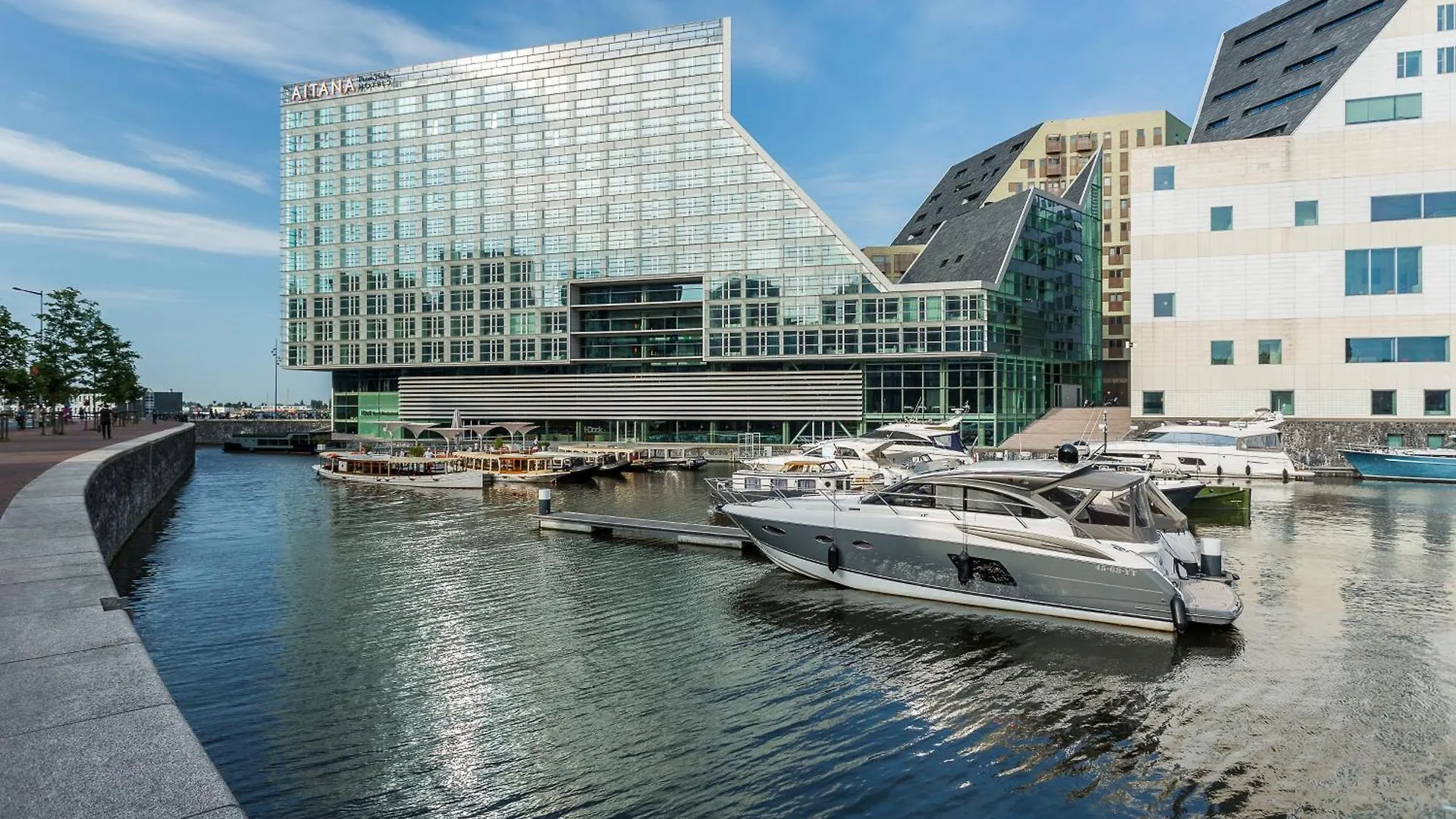
The two strongest micro-locations for historical hotels in Amsterdam City Centre are the Westerdok waterfront, close to Central Station along the IJ River, and the quieter residential corridor between Frederiksplein and the Heineken Experience on Stadhouderskade. The first gives you walking access to Central Station in around 15 minutes and panoramic IJ River views; the second sits at the southern edge of the canal belt, offering a calmer street-level experience while remaining a 10-minute walk from the Rijksmuseum and Albert Cuyp Market. Tram stop Frederiksplein (lines 4 and 25) provides a direct link to both Central Station and the RAI convention centre from the southern pocket. Book at least 6 weeks in advance for April-August, when Amsterdam experiences its highest visitor volumes and hotel inventory tightens sharply - particularly during King's Day (late April) and the summer festival season. Things to do within easy reach include canal boat tours departing from Rembrandtplein, guided visits to the Anne Frank House on Prinsengracht, the Stedelijk Museum of modern art, and evening concerts at Concertgebouw, which sits a 20-minute walk south of the centre.
Recommended Historical Hotels in Amsterdam City Centre
The two hotels below represent distinct positioning within Amsterdam City Centre - one anchored at the IJ waterfront near Central Station, the other embedded in the quieter southern canal neighbourhood. Both offer character, strategic location, and concrete logistical advantages worth comparing before booking.
-
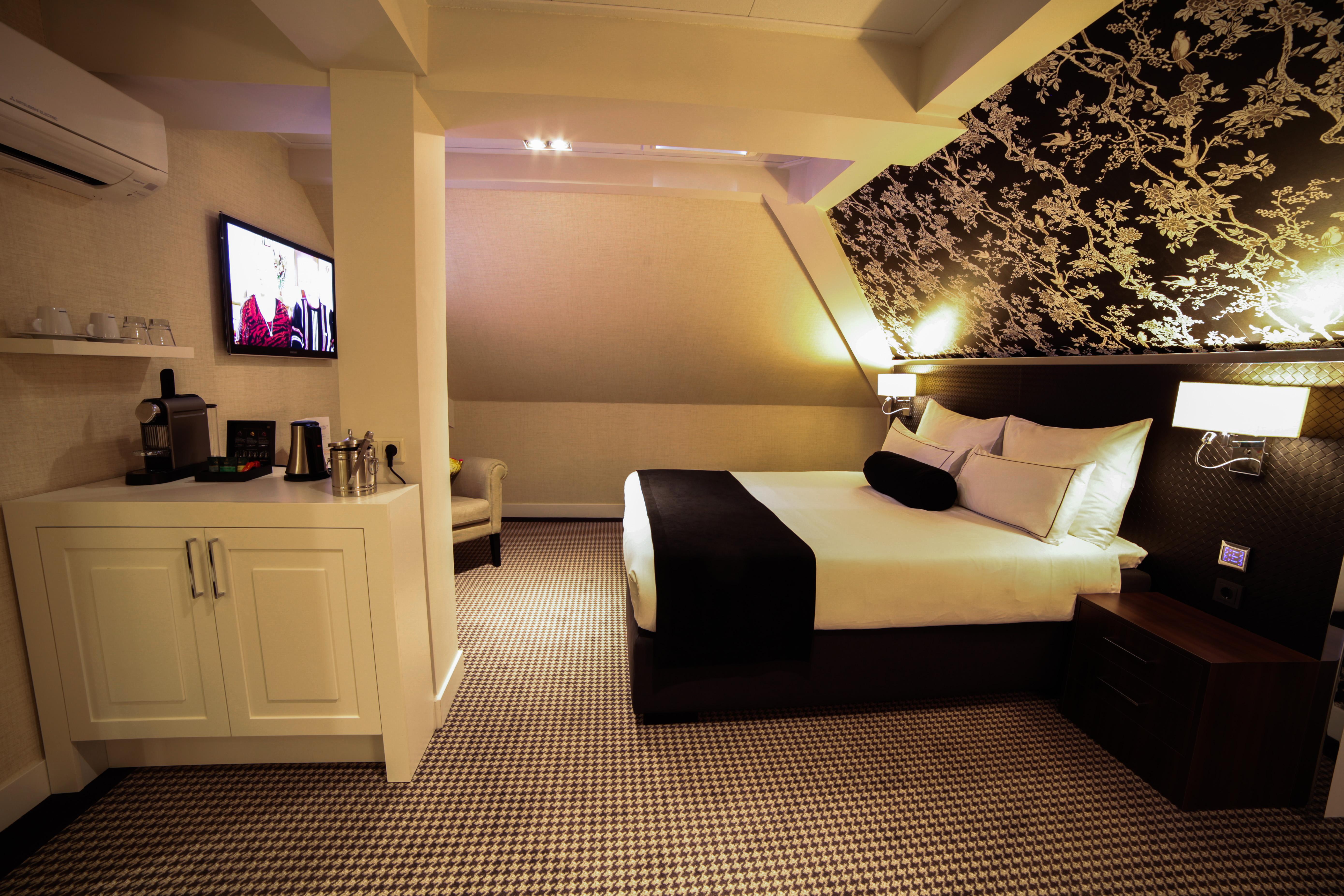
1. Room Mate Aitana, Amsterdam
Show on map


 Check-infrom 15:00 until 23:59Check-outuntil 12:00
Just a few rooms left at the best rate!
from€ 280
-
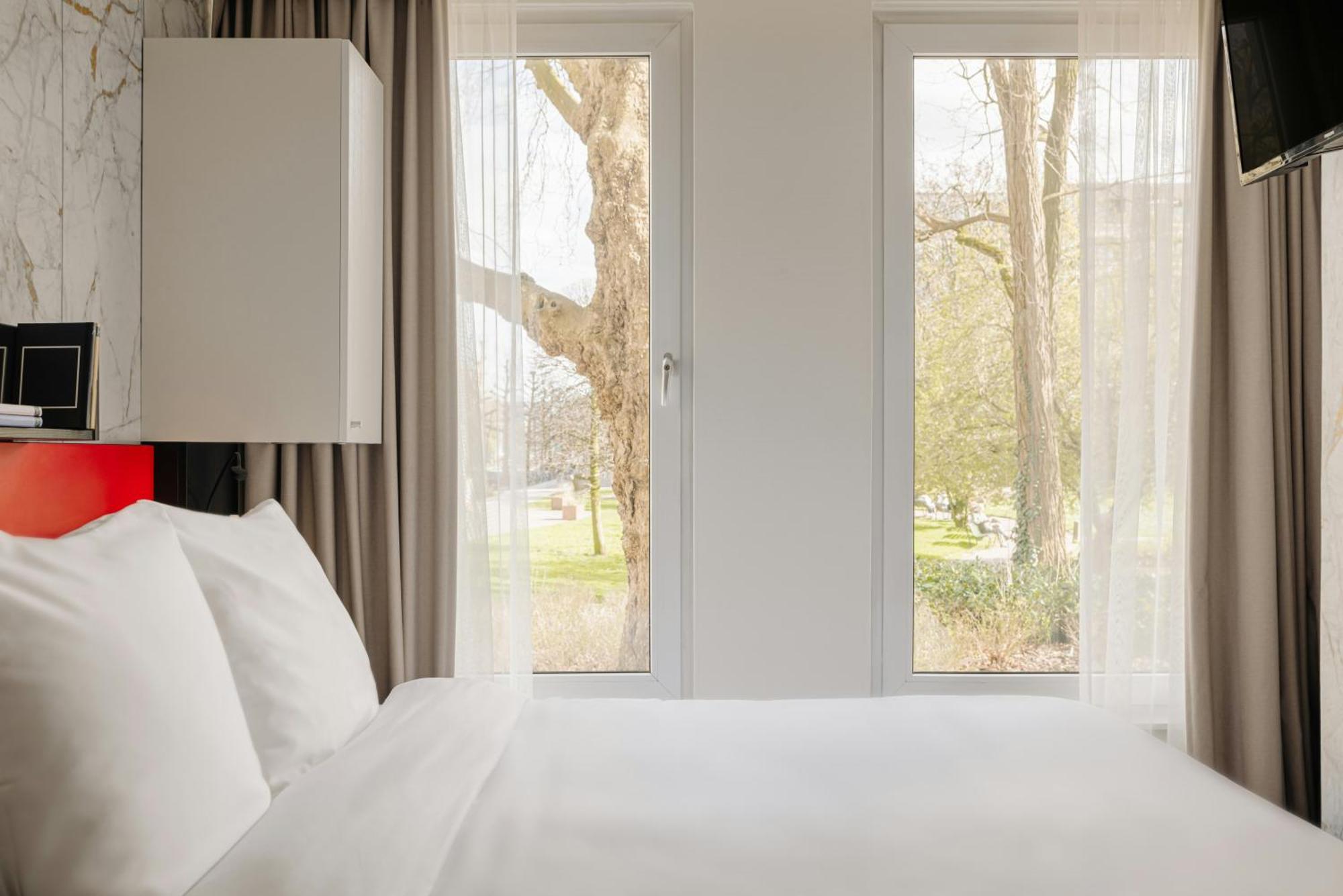
2. Hotel Nicolaas Witsen
Show on map


 Check-infrom 14:00 until 23:59Check-outuntil 11:00
Hurry – almost gone at this price!
from€ 72
Smart Travel & Timing Advice for Amsterdam City Centre
March through May is the most competitive booking window for historical hotels in Amsterdam City Centre - tulip season draws visitors from across Europe, and King's Day (April 26) creates a city-wide accommodation crunch that pushes prices to their annual peak. June through August sustains high demand with summer festival crowds, but September offers a measurable drop in both price and congestion while the weather remains reliably mild for walking the canal belt. November through February is the quietest period: rates fall noticeably, museum queues shorten, and the Christmas light festival (Amsterdam Light Festival) runs along the canals from late November through January, offering a genuinely different visual experience of the historic waterways. A stay of 3 nights is typically enough to cover the core sights - Anne Frank House, Rijksmuseum, canal cruise, and the Nine Streets shopping district - without feeling rushed. Book around 8 weeks ahead for spring visits and confirm cancellation terms carefully, as central Amsterdam properties fill fast and last-minute availability in this district is consistently thin.