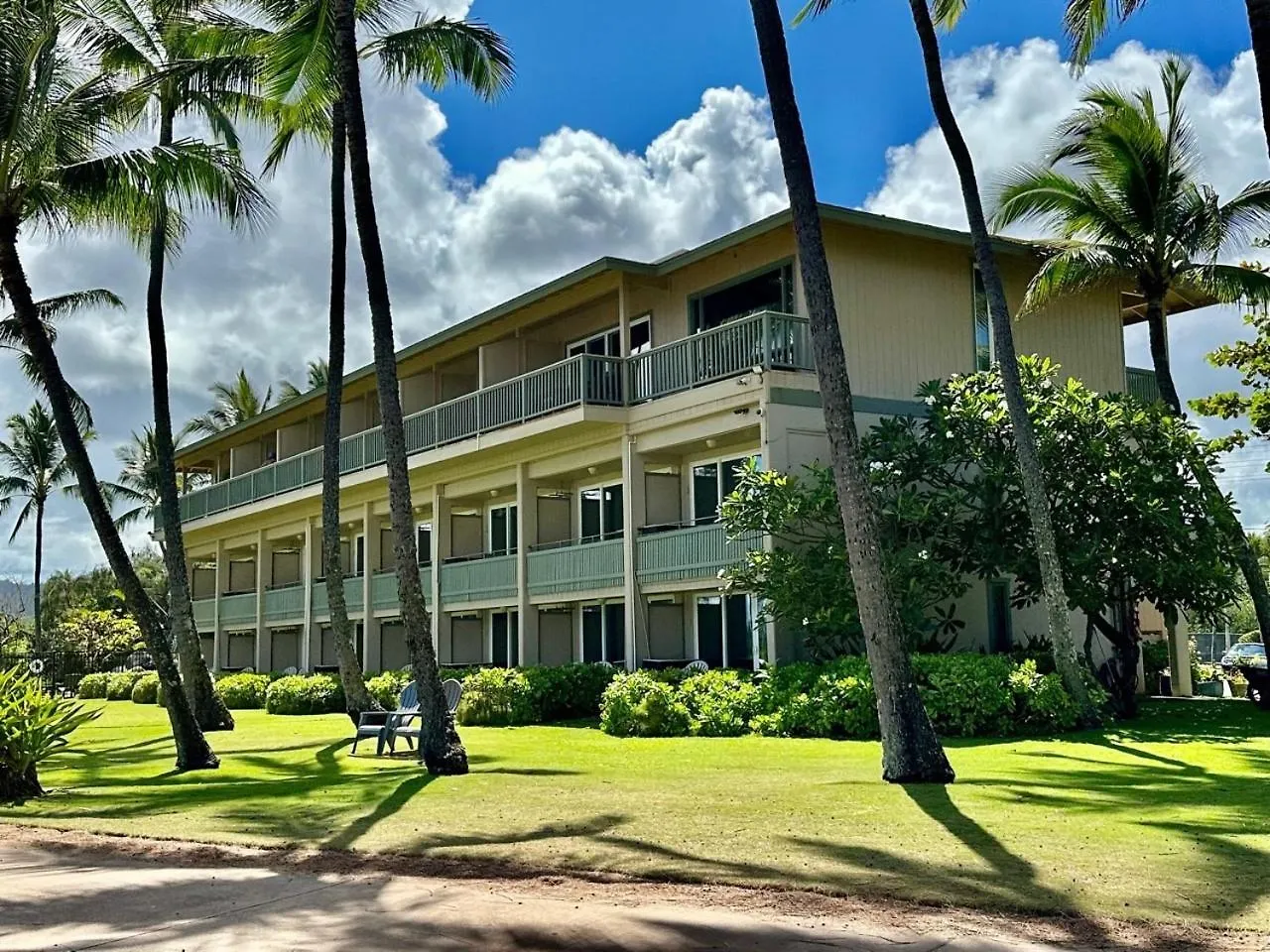
Hawaii's beach hotel scene spans five major islands, each with a distinct coastal character - from the black-sand volcanic shores of the Big Island to the reef-protected lagoons of Kauai's east coast. Choosing the right island and the right beachfront property is the real decision here, and this guide breaks it down with the specificity that matters for a trip of this scale.
What It's Like Staying in Hawaii
Hawaii is an archipelago of six main visitor islands, each requiring a separate inter-island flight or ferry - there is no driving between Maui and the Big Island. Most visitors underestimate how island-specific the experience is: choosing Oahu means urban density and nightlife near Waikiki, while choosing Kauai means dramatic cliffs, limited infrastructure, and far fewer hotels overall. The rhythm here is shaped by trade winds, which keep the northeast shores wetter and cooler while the leeward (western and southern) coasts stay drier and sunnier - a critical detail when booking a beachfront room. Peak season runs December through March, when mainland travelers escape winter and prices surge across all islands. Inter-island flights add real cost - budget around $80-$150 per leg - so multi-island itineraries require planning well in advance.
Pros:
- Year-round warm water temperatures averaging around 26°C make beach stays viable in any month
- Each island offers a genuinely different landscape and pace, from volcanic craters to lush river valleys
- Beachfront hotels on the leeward coasts deliver reliably sunny conditions even during wetter winter months
Cons:
- Car rental is essential on most islands - public transport is limited outside Honolulu, adding daily cost
- High demand means beachfront rooms book out weeks or months ahead during peak periods
- Grocery and dining costs run significantly higher than mainland U.S. averages due to import dependency
Why Choose Beach Hotels in Hawaii
Beach hotels in Hawaii occupy a premium tier precisely because direct ocean access is the primary reason most travelers come here. Oceanfront rooms consistently command around 30% more than garden or mountain-view equivalents at the same property, but the trade-off - waking up to surf sound and stepping onto sand within minutes - is the core of the Hawaiian travel proposition. On the Big Island's Kohala Coast, large resort properties dominate the beachfront, offering full amenities but less intimate access. Kauai and Maui offer a wider spread, from boutique aparthotels with private beach areas to full-service resort complexes. Aparthotel-style beach properties with kitchenettes make particular sense for stays of five or more nights, cutting food costs substantially on islands where restaurant meals average $25-$40 per person.
Pros:
- Direct beach access eliminates the need to drive to public beach parks, which often have limited parking
- Beachfront hotels on leeward coasts offer consistently sunny microclimates ideal for outdoor pools and lounging
- Many Hawaii beach hotels include amenities like snorkel gear rental, bike hire, and watersport concierge on-site
Cons:
- True beachfront inventory is limited and sells out fast, especially on Maui's west coast and Kauai's east shore
- Some properties advertise "beach access" but require a short walk through shared resort grounds to reach the water
- Trade wind exposure at oceanfront properties can make open balconies unusable on windward-facing coasts
Practical Booking & Area Strategy for Hawaii Beach Stays
On the Big Island, the Kohala Coast (Waikoloa and Mauna Lani areas) is the primary resort corridor - sunny, dry, and purpose-built for beach tourism, but it requires a car to reach restaurants and shops beyond the resort. Hilo, on the windward side, is rainier and more affordable, with the airport just minutes from town-center hotels. On Maui, Lahaina and Kahana on the west coast offer the driest weather and the most reliable beach conditions; Kahului near the airport is useful for one-night layovers but not for a beach-focused stay. Kauai's east coast town of Kapaa sits within walking distance of the ocean and multiple dining options, making it one of the more practical bases on the island. Book at least 8 weeks ahead for any December-to-March travel - beachfront rooms on Maui and Kauai sell out faster than those on the Big Island. For volcano and nature-focused travelers, the Volcano Village area near Hawaii Volcanoes National Park is only around 45 km from Hilo and pairs well with a coastal stay on either end of the trip.
Best Value Beach Stays
These properties deliver direct ocean access, functional beach amenities, and practical room layouts at price points that leave room in the budget for activities and dining.
-
1. Hotel Coral Reef
Show on map


 Check-infrom 15:00 until 23:59Check-outuntil 11:00
Just a few rooms left at the best rate!
fromUS$ 419
-
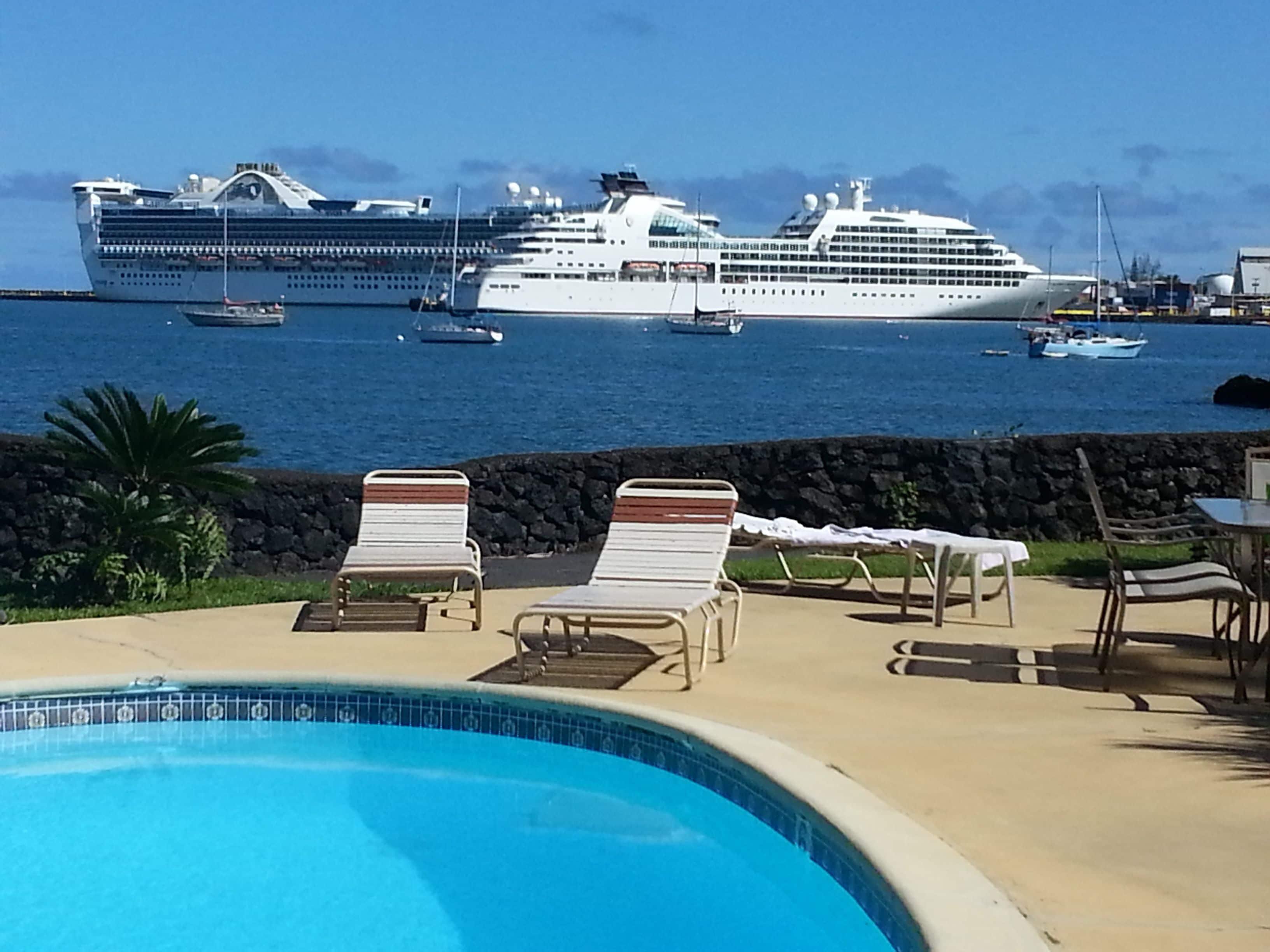
2. Hilo Reeds Bay Hotel
Show on map


 Check-infrom 15:00 until 22:00Check-outfrom 07:00 until 11:00
Just a few rooms left at the best rate!
fromUS$ 134
-
3. Volcano Forest Inn
Show on map


 Check-infrom 15:00 until 21:00Check-outuntil 11:00
Just a few rooms left at the best rate!
fromUS$ 135
-
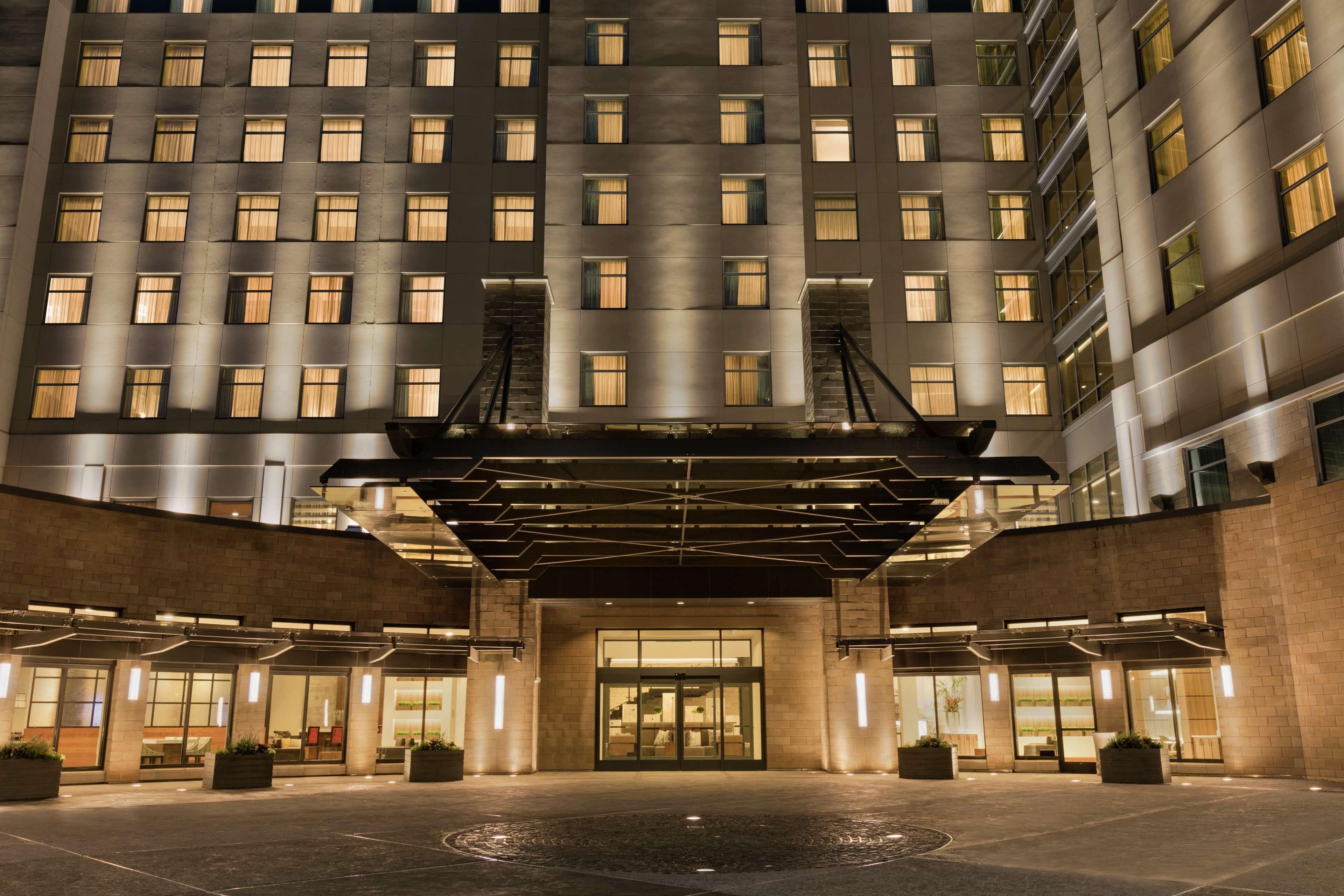
4. Courtyard By Marriott Maui Kahului Airport
Show on map


 Check-infrom 15:00 until 23:59Check-outuntil 12:00
Hurry – almost gone at this price!
fromUS$ 247
Best Premium Beach Stays
These properties offer beachfront locations with resort-level amenities, dedicated beach areas, and services that justify a higher nightly rate for travelers prioritizing comfort and on-site facilities.
-
5. Kahana Beach Vacation Club
Show on map


 Check-infrom 16:00 until 23:59Check-outuntil 11:00
Hurry – almost gone at this price!
fromUS$ 154
-
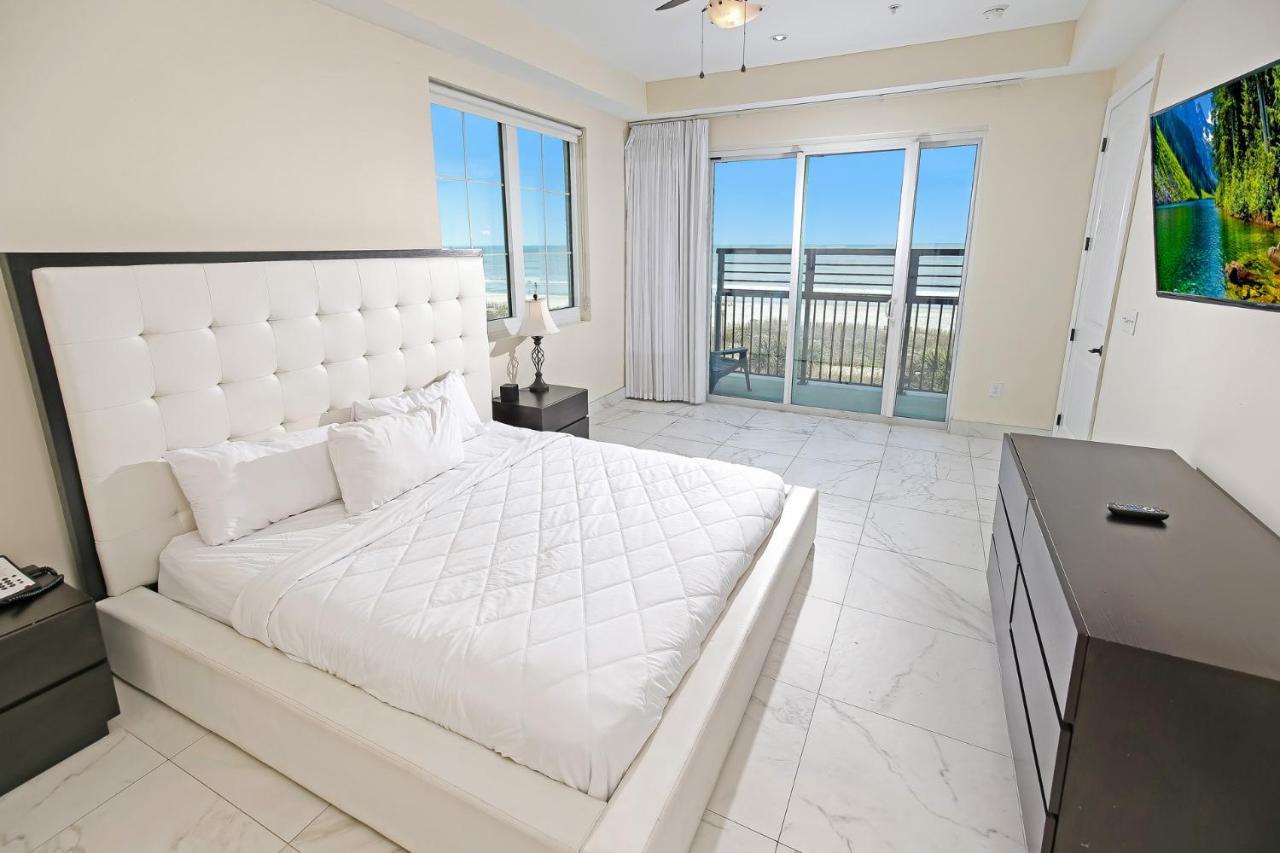
6. Kauai Coast Resort At The Beach Boy
Show on map


 Check-infrom 16:00 until 23:59Check-outuntil 10:00
Rooms filling fast – secure the best rate!
fromUS$ 256
-
7. Fairmont Orchid Gold Experience
Show on map


 Check-infrom 16:00 until 23:59Check-outuntil 11:00
Rooms filling fast – secure the best rate!
fromUS$ 867
Smart Travel & Timing Advice for Hawaii Beach Hotels
Hawaii's peak season runs from mid-December through March, driven by mainland winter escapes, and again in June through August for family travel - both windows see beachfront rates climb steeply and availability tighten fast. Book premium beachfront properties at least 10 weeks in advance for peak-season travel, particularly on Maui's west coast and Kauai's east shore where inventory is genuinely limited. April, May, September, and October represent the clearest value windows: crowds thin, prices drop, and weather on leeward coasts remains largely dry and warm. The rainy season technically runs November through March on windward coasts, but leeward properties like those on the Kohala Coast and Lahaina area see little impact. A minimum of four nights per island is recommended to justify the logistics of arrival, car pickup, and settling in - shorter stays on a single island rarely allow enough time to move beyond the immediate resort area. Last-minute deals do appear in shoulder months but are unreliable for beachfront categories, which maintain occupancy better than interior rooms across all Hawaiian islands.