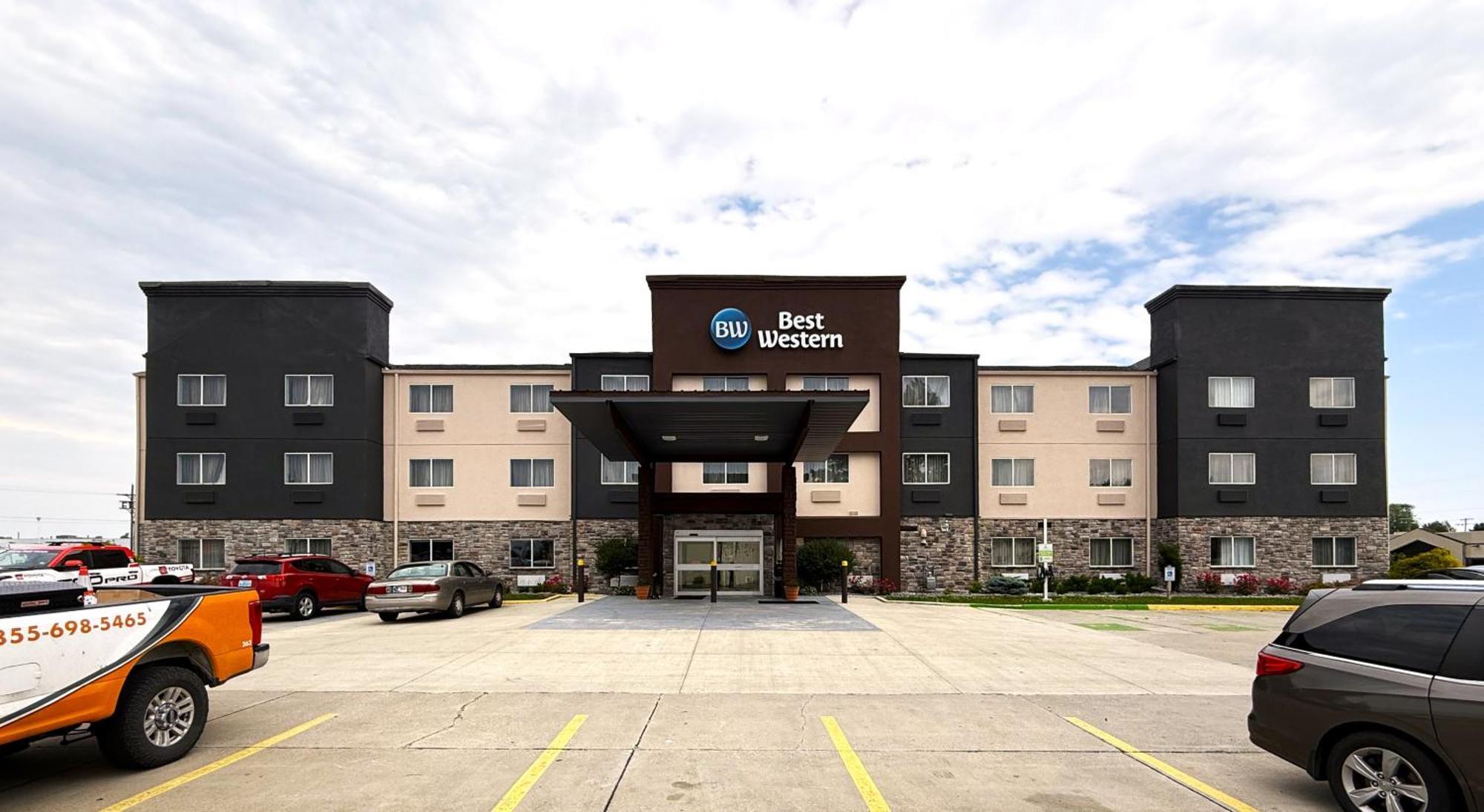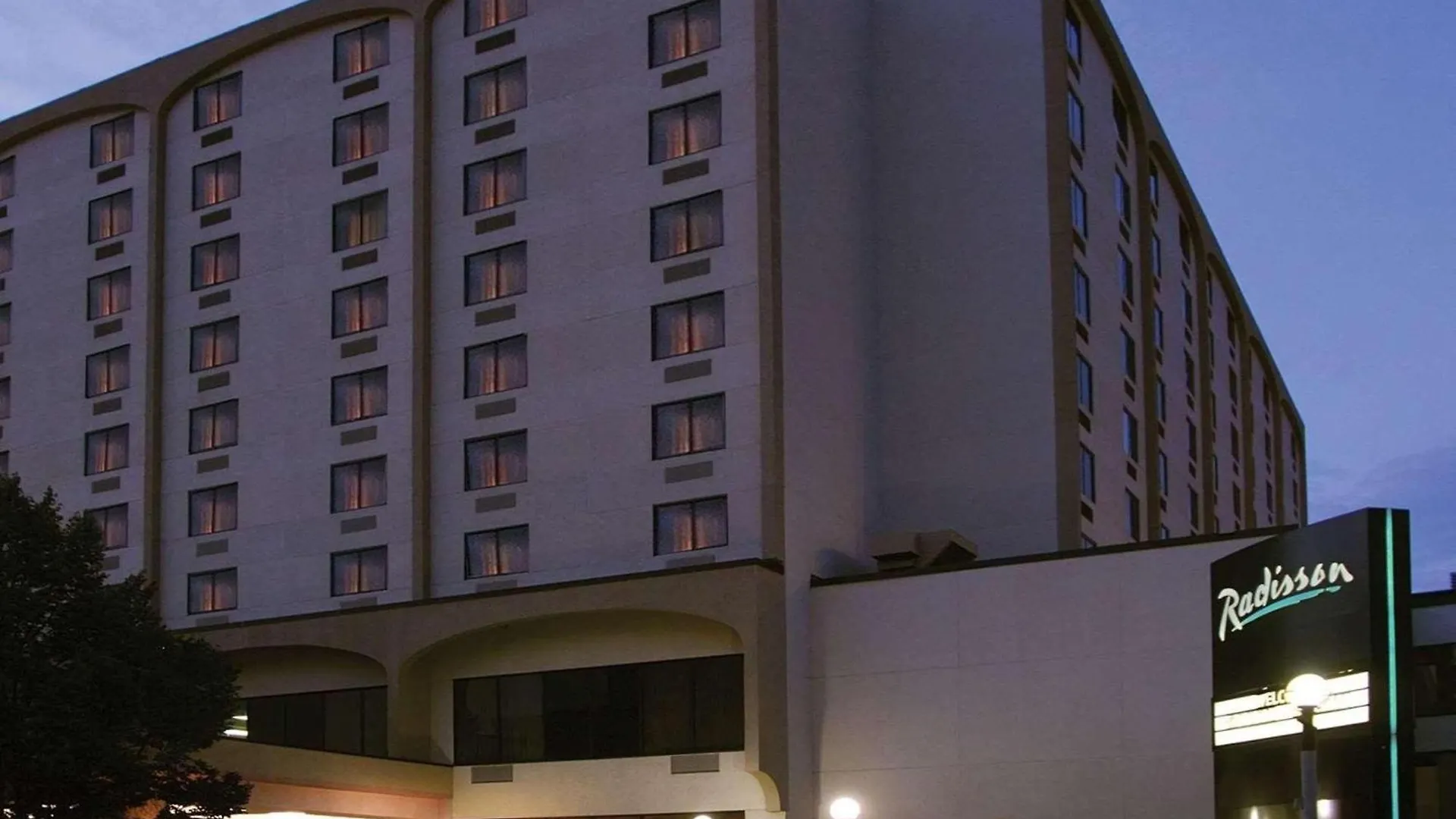
Radisson hotels in the Midwest deliver consistent brand standards across very different urban settings - from a circular landmark tower on Lake Superior to a riverfront property minutes from downtown Grand Rapids. This guide covers all four Radisson properties currently operating across the region, helping you match the right location to your travel purpose, whether that's a business trip to Bismarck, a family drive through Minnesota, or a weekend in Iowa.
What It's Like Staying in the Midwest
The Midwest spans an enormous stretch of the United States - from the Great Plains of North Dakota to the Great Lakes shoreline of Michigan and Minnesota - and hotel stays here operate at a noticeably slower pace than coastal cities. Cities like Duluth, Grand Rapids, Cedar Rapids, and Bismarck are mid-size urban centers where driving is the default mode of transport, parking is almost always free or low-cost, and foot traffic around hotels is manageable even during peak season. Summer draws the highest visitor volumes, particularly around lakefront destinations and civic events, so booking ahead by at least 4 weeks during June through August is strongly advised.
Pros:
Free parking is standard at most Midwest hotels, eliminating a daily cost that can add up fast in coastal cities
Mid-size cities mean shorter commutes to major attractions - most landmarks are within a 10-minute drive
Prices are significantly lower than comparable branded hotels on either coast
Cons:
Public transport is limited in most Midwest cities, making a rental car almost essential
Dining and entertainment options close earlier than in major metros, especially on weekdays
Some Midwest destinations have very limited walkability from hotel zones to city centers
Why Choose a Radisson Hotel in the Midwest
Radisson properties in the Midwest occupy a mid-to-upper-midscale positioning - typically offering amenities like indoor pools, fitness centers, free WiFi, and business centers that independently operated hotels at the same price point rarely match. In this region, Radisson hotels consistently outperform local competitors on facilities without jumping to full luxury pricing. Expect room sizes that are noticeably more generous than urban coastal equivalents, and a traveler mix that skews toward business guests during the week and families on weekends. The key trade-off is that some Radisson properties in the Midwest are older buildings that carry a more dated aesthetic, though they compensate with strong functionality and reliable brand service. Rates run around 20% lower than comparable Radisson properties in Chicago or Minneapolis proper, making them an efficient choice for regional travel.
Pros:
Indoor pools and fitness centers are standard across Midwest Radisson properties - rare at this price tier elsewhere
Free parking is included at all four Midwest Radisson locations reviewed here
Brand consistency means predictable room standards across very different cities
Cons:
Some properties have not been fully renovated and carry a functional but older interior design
On-site dining quality varies considerably between locations
These hotels are designed for functionality over atmosphere - not suited to travelers seeking boutique character
Practical Booking & Area Strategy for the Midwest
Positioning matters differently across Midwest cities. In Duluth, staying near the harbor puts you within walking distance of Canal Park and the Aerial Lift Bridge - one of the most-visited attractions in Minnesota. In Grand Rapids, the riverfront corridor connects directly to Van Andel Arena and DeVos Place, making it the strongest base for event-driven travel. Bismarck requires a car regardless of where you stay, but properties near the Civic Center cut commute time during conference season. Cedar Rapids is the most airport-dependent of the four cities, with Eastern Iowa Airport serving as the main entry point roughly 20 km from the city core. Peak booking pressure hits all four cities between late June and early September; for Duluth specifically, lakefront rooms sell out weeks in advance during the summer tourism window. If you're targeting a winter visit - common for business travelers - rates drop considerably and availability is high across all locations.
Best Value Stays
These properties deliver strong amenity packages at competitive price points, making them the practical choice for travelers prioritizing facilities and location efficiency over premium finishes.
-
1. Radisson Hotel Bismarck
Show on map


 Check-infrom 15:00 until 23:59Check-outuntil 11:00
Just a few rooms left at the best rate!
fromUS$ 69
-
2. Radisson Hotel Cedar Rapids
Show on map


 Check-infrom 15:00 until 23:59Check-outuntil 11:00
Just a few rooms left at the best rate!
fromUS$ 88
Best Premium Stays
These two properties stand out for their distinctive locations and elevated on-site experiences - one defined by sweeping Great Lakes views and a rotating rooftop restaurant, the other by its proximity to Grand Rapids' event and entertainment core.
-
3. Radisson Hotel Duluth-Harborview
Show on map


 Check-infrom 15:00 until 23:59Check-outuntil 12:00
Hurry – almost gone at this price!
fromUS$ 89
-
4. Radisson Hotel Grand Rapids Riverfront
Show on map


 Check-infrom 16:00 until 23:59Check-outuntil 11:00
Rooms filling fast – secure the best rate!
fromUS$ 97
Smart Travel & Timing Advice for Midwest Radisson Stays
The Midwest travel calendar is heavily front-loaded toward summer. July is the peak month across all four cities in this guide - Duluth's harbor tourism, Grand Rapids' outdoor festival season, and North Dakota's warm-weather travel window all converge, driving up rates and reducing last-minute availability. For Duluth in particular, lakefront rooms at the Harborview property should be booked at least 6 weeks in advance for a July or August stay. Shoulder season - specifically September through October - offers the best balance of decent weather and lower prices, with fall foliage adding appeal in Minnesota and Michigan. Winter stays in Bismarck and Cedar Rapids are almost exclusively business-driven, and rates reflect that lower demand. A 2-night stay is the minimum that makes logistical sense for any of these cities; 3 nights is the sweet spot for mixing local attractions with genuine downtime, particularly in Duluth where the lakefront warrants more than a day.